
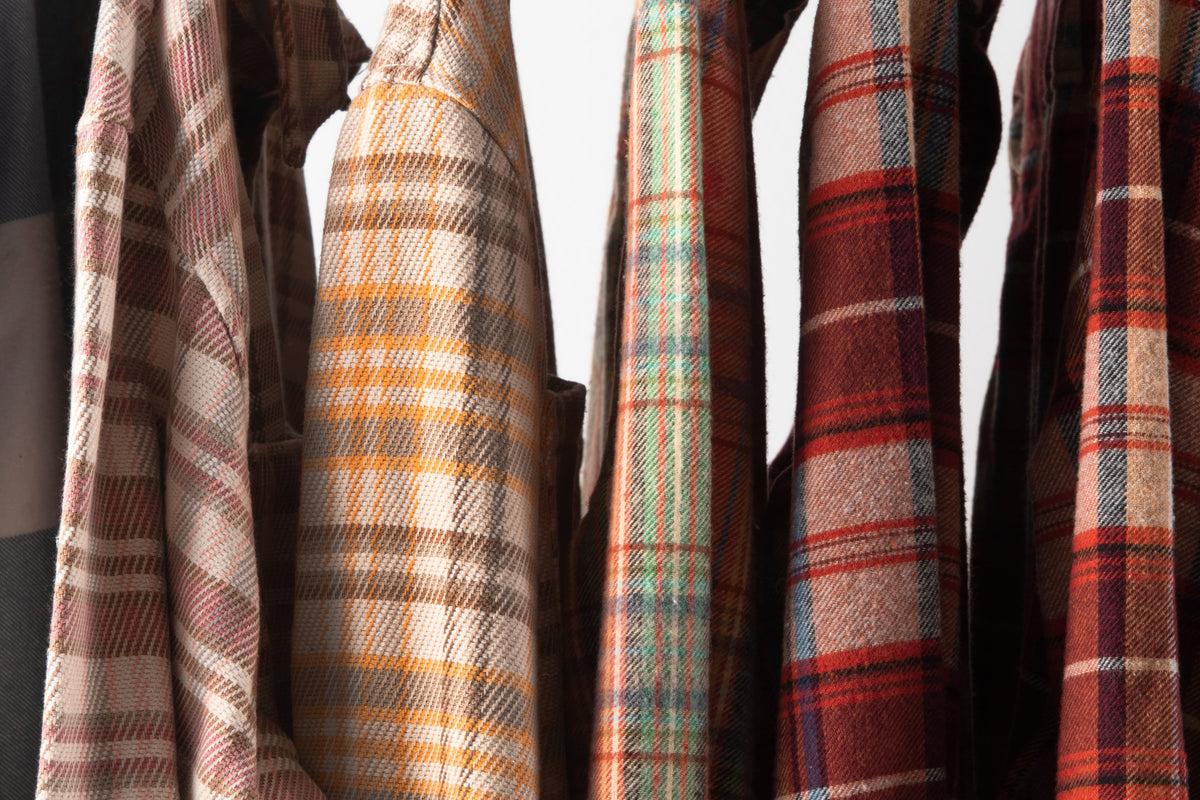
Guys in Flannel Shirts: Why This Look Never Goes Out of Style
There's something undeniably appealing about a guy wearing a flannel shirt. Maybe it's the effortless confidence it projects, or perhaps it's that perfect balance between rugged and comfortable.
Whatever the reason, flannel has remained a wardrobe essential for generations. Let me walk you through why this classic piece continues to dominate men's casual fashion and how you can make it work authentically for your personal style.
The Timeless Appeal: Understanding Why Flannel Never Fades Away
Flannel occupies a unique position in men's fashion where practicality meets undeniable style. Unlike fleeting trends that disappear after a season or two, flannel has been a consistent wardrobe staple since the 1800s.

Get your hands on Red Varsity Leather Jacket Sleeves trending now!
This remarkable longevity tells you something important, flannel works because it genuinely solves real problems while looking effortlessly good.
The fabric has evolved through different cultural moments, from workwear to grunge to modern heritage fashion, yet it never feels outdated or irrelevant to contemporary style.
The Unmatched Comfort Factor
Flannel feels completely different from regular cotton shirts because of how the fabric is constructed and finished. The brushed surface creates a soft, slightly fuzzy texture that feels warm and pleasant against your skin from the first wear. You know that uncomfortable stiffness you experience with new dress shirts?
Flannel eliminates that entirely. It's like combining the comfort of your favorite worn-in tee with the structure and polish of an actual button-up shirt. This comfort factor means you'll actually want to wear your flannel shirts regularly, rather than saving them for special occasions or forcing yourself into uncomfortable clothing just to look presentable.
The warmth flannel provides comes from the air pockets trapped within the brushed fibers, creating natural insulation without bulk or weight. When temperatures drop and you need an extra layer, flannel handles double duty beautifully.
It keeps you genuinely warm during chilly mornings and cool evenings, but it's not so heavy that you overheat indoors or during mild weather. This temperature regulation makes flannel practical for everyday wear across multiple seasons, which is why guys instinctively reach for their flannel shirts when the weather turns cooler.
Understanding Flannel Fabrics: Choosing the Right Weight and Construction
When you browse flannel shirts either online or in stores, you'll quickly notice that some feel substantially thicker and warmer while others are surprisingly lightweight and breathable. These differences stem from fabric weight and construction methods, both of which significantly affect how the shirt performs in real-world wearing conditions and when you can actually wear it comfortably.
Heavyweight Flannel for Cold Weather
Heavyweight flannel typically measures around five to seven ounces per square yard, giving you that substantial, chunky feel that works beautifully during genuine cold weather.
These shirts often feature a brushed finish on both the inside and outside surfaces, creating maximum softness and exceptional insulation properties.
Picture yourself wearing one of these during autumn hikes through changing leaves, or as a light jacket alternative during early winter when you don't quite need a full coat yet. The thickness provides real warmth without restricting your movement or adding excessive bulk that makes you look puffy.
These heavier flannels work particularly well for outdoor activities, weekend projects around the house, or any situation where you'll be outside for extended periods during cold months.
The substantial fabric also tends to be more durable and long-lasting, standing up better to frequent wear and washing compared to lighter alternatives. However, this weight comes with a tradeoff—you simply can't wear heavyweight flannel comfortably once temperatures climb above sixty degrees without overheating, which limits their seasonal usefulness in warmer climates.
Lightweight Flannel for Transitional Seasons
Lightweight flannel usually weighs between three and four ounces per square yard, making it significantly more breathable and suitable for transitional weather conditions.
These shirts drape more smoothly against your body and don't add nearly as much visual or physical bulk, which makes them easier to layer under jackets or wear comfortably in temperature-controlled indoor environments.
They maintain that characteristic flannel texture and pattern that you're looking for, but you won't find yourself sweating uncomfortably when temperatures rise above sixty degrees or when you're moving between heated indoor spaces and cooler outdoor air.
This lighter weight proves particularly valuable for guys living in milder climates or those who primarily wear flannel indoors at air-conditioned offices.
The reduced thickness means you can actually wear these flannel shirts during late spring or early fall without feeling seasonally inappropriate or physically uncomfortable.
Some lightweight flannels are specifically designed for year-round wear, using special weaving techniques that maintain the flannel aesthetic while maximizing breathability.
Consider starting with a lightweight option if you're new to flannel or uncertain about committing to a heavier shirt you might only wear a few months each year.
Understanding Cotton Versus Blended Fabrics
Pure cotton flannel represents the traditional choice and what most heritage menswear brands use for their premium flannel shirts. Cotton breathes exceptionally well, allowing air to circulate and moisture to evaporate naturally, which helps regulate your body temperature throughout the day.
Natural cotton fibers also have this wonderful characteristic where they actually get softer and more comfortable with repeated washing and wearing, developing that perfectly broken-in feel that makes old flannel shirts so beloved.
Cotton blend flannels incorporate synthetic fibers like polyester or nylon, typically in proportions ranging from ten to thirty percent of the total fabric composition. These blends increase the shirt's durability and resistance to wrinkles, which many guys appreciate for travel situations or when they need their flannel to look crisp without ironing.
Modern synthetic blends have become quite sophisticated, often mimicking the feel of pure cotton surprisingly well while adding practical benefits like faster drying times and better shape retention.
The main tradeoff is usually a slight reduction in breathability and that authentically soft flannel hand-feel, though high-quality blends minimize these differences considerably.

Buy Women's Long Coats in Leather from Cuir Jackets now!
Pattern Guide: Matching Flannel Styles to Your Personal Aesthetic
Flannel patterns range dramatically from subtle and understated to bold and attention-grabbing. Understanding these common pattern types helps you select shirts that genuinely complement your existing style and strategically expand your wardrobe without creating a closet full of similar-looking shirts that don't work together.
Buffalo Check: The Bold Classic Pattern
Buffalo check features large, blocky squares created by two contrasting colors intersecting at right angles, with red and black being the most iconic and recognizable combination. This pattern immediately communicates outdoorsy confidence and carries strong cultural associations with lumber culture, Pacific Northwest aesthetics, and classic
American workwear heritage. When you choose buffalo check, you're making a clear and intentional style statement that definitely gets noticed. The bold, graphic nature of this pattern means it becomes the focal point of any outfit you create, which is exactly what makes it work so well for casual weekend wear.
This distinctive pattern works best when you keep everything else in your outfit relatively simple and neutral, allowing the buffalo check to command attention without competing with other visual elements.
Pair traditional red and black buffalo check with dark indigo jeans and leather work boots for that quintessential rugged aesthetic that never goes out of style. Alternatively, try navy and cream buffalo check worn with khaki chinos and brown leather shoes for something slightly more refined while still maintaining that casual flannel energy and approachable vibe.
Gingham: Small Checks for Refined Casual Style
Gingham utilizes much smaller, tighter checks compared to buffalo plaid, creating a more refined and polished appearance that reads as intentional rather than purely casual. These patterns typically come in classic color pairings like blue and white, green and white, burgundy and white, or grey and white, offering sophisticated color stories that work across different seasons.
You can actually tuck in a gingham flannel shirt and wear it successfully with dress pants or tailored chinos to office environments, especially on designated casual Fridays or in creative workplace cultures.
The smaller pattern scale reads as more deliberate and polished compared to larger, obviously casual checks that clearly signal weekend mode.
This refined quality makes gingham flannel incredibly valuable for guys who need their wardrobe to seamlessly transition between different social and professional settings throughout a typical week without requiring complete outfit changes.

Buy Premium leather black bomber jacket today
Tartan and Plaid: Complex Heritage Patterns
Tartan patterns feature multiple colors creating intricate intersecting lines and varied square formations, drawing from Scottish textile heritage and often incorporating three or more distinct colors within their complex designs.
These sophisticated patterns carry historical significance and cultural weight, for example, Blackwatch tartan combines deep hunter green, navy blue, and black to create a distinguished outdoor aesthetic.
The visual complexity and rich color combinations make tartan patterns particularly interesting and distinctive compared to simpler two-color checks, giving you more visual depth and conversational appeal in your outfit.
Maintain neutral-colored pants in shades like charcoal grey, navy, olive green, or dark indigo denim, allowing the complex flannel pattern to showcase its interesting details without creating visual chaos.
This focused approach prevents overwhelming your appearance with competing patterns and colors while highlighting the sophisticated nature of quality tartan designs.
Solid Color Flannel: The Underrated Versatile Option
Not all flannel shirts come covered in checks and plaids—solid color options in grey, navy, olive, burgundy, or black provide flannel's comfort and texture without the visual complexity of patterns.
These understated alternatives work exceptionally well when you want flannel's soft feel and warmth but need to incorporate the shirt into more sophisticated outfits or when you're already wearing patterned pants, printed sneakers, or other items that would clash with plaid patterns.
Solid flannels essentially function as a bridge between casual flannel shirts and more refined button-up options, giving you flexibility across different contexts.
Getting the Fit Right: How Flannel Should Actually Sit on Your Body!
The visible difference between a flannel shirt that looks sloppy and one that appears intentionally casual often comes down entirely to proper fit. Modern flannel styling has gradually shifted away from the oversized grunge aesthetic of the nineties toward more tailored, body-conscious silhouettes, though personal preference and individual style certainly still leave room for interpretation and variation.
The Critical Shoulder Seam Checkpoint
Just like with any well-fitting shirt regardless of style or formality level, the shoulder seam should sit right where your shoulder naturally ends its slope—not drooping down your upper arm or pinching uncomfortably at your neck. When the shoulders fit correctly on your frame, everything else about the shirt's fit tends to fall into place much more easily and naturally.
If you're planning to regularly layer your flannel over thicker t-shirts, thermal underwear, or henley shirts, you might consider sizing up slightly to comfortably accommodate that additional layer without the shoulder seams pulling forward awkwardly or restricting your arm movement.
Check the shoulder fit by moving your arms in natural motions, reaching forward, raising them to the sides, and rotating your shoulders backward.
The seam should stay positioned at your shoulder point throughout these movements without shifting dramatically or causing the fabric to pull tight across your back.
Poor shoulder fit is nearly impossible to alter through tailoring, so getting this element right when you initially purchase the shirt is absolutely critical for long-term satisfaction with your flannel.
Sleeve Length and Professional Rolling Techniques
Your flannel shirt sleeves should naturally hit right at your wrist bone when your arms hang relaxed at your sides, with perhaps a quarter to half inch of variance being acceptable depending on your preference.
Many guys prefer rolling their flannel sleeves rather than wearing them full-length, which not only creates a casual, relaxed appearance but also practically solves the common problem of sleeves that run slightly long.
The classic sleeve roll technique involves folding the cuff back once to establish the width, then continuing to roll upward until you reach a position just below your elbow, creating clean lines that show off any watch or bracelet you're wearing.
Some flannel shirts include contrasting fabric inside the cuffs specifically designed to become visible when you roll the sleeves, adding unexpected visual interest and making the rolled-sleeve look feel more intentional rather than appearing like you're simply pushing sleeves up to avoid getting them wet.
Practice your rolling technique to achieve consistent, even rolls on both sleeves that sit at the same height, asymmetrical sleeve rolls immediately signal carelessness rather than casual confidence. The rolled-sleeve look has become so standard with flannel that many guys rarely wear their flannel sleeves down completely anymore.
Body Fit Options: Slim, Regular, and Relaxed Silhouettes
Slim-fit flannel shirts taper noticeably through the torso, creating a more sculpted silhouette that works particularly well if you're planning to tuck your shirt in or wear it as a layer under a jacket or blazer.
These fitted options create cleaner, more contemporary lines and generally look more polished and intentional, though they can definitely restrict comfortable movement if you aggressively size down or have a broader, more muscular build. Slim-fit flannel looks best on leaner body types or when you specifically want a more modern, streamlined appearance that aligns with contemporary menswear aesthetics.
Regular-fit flannel shirts offer more generous room through the chest and waist areas, making them comfortable for extended all-day wear and much easier to layer over other shirts or base layers without feeling constricted.
This traditional fit works well for most body types and delivers that classic flannel aesthetic without any uncomfortable tightness or movement restriction. If you find yourself between two sizes when trying on flannel, regular fit typically proves more forgiving and versatile, accommodating both solo wear and layering situations without requiring multiple sizes.
Relaxed or intentionally oversized fits have experienced a significant resurgence recently, particularly within streetwear communities and skate culture where looser silhouettes align with the overall aesthetic.

Check out latest Men's leather jackets collection
These larger, roomier fits can definitely work and look current, but they require careful balancing with slimmer-fitting pants to avoid creating a completely shapeless appearance.
If you're deliberately choosing an oversized flannel shirt, make absolutely sure it's intentionally oversized rather than simply too large, meaning the shoulders should still fit properly at the seam even if the body hangs loose and roomy.
Color Psychology: What Your Flannel Choice Communicates?
The specific colors and patterns you select in flannel shirts communicate different impressions and associations, whether you consciously realize it or not. Understanding these subtle psychological connections helps you choose flannel shirts that genuinely align with the personal image you want to project and the impression you hope to make in different social contexts.
Earth Tones: Grounded and Approachable Energy
Flannel shirts in olive green, chocolate brown, rust orange, or tan naturally convey outdoorsy, grounded, and reliable energy that suggests someone comfortable in their own skin.
These warmer, nature-inspired colors create immediate associations with outdoor activities, natural settings, and unpretentious masculinity that feels accessible rather than intimidating.
Earth-toned flannel shirts pair beautifully with denim in any wash from light to dark, as well as coordinating effortlessly with khaki, grey, or black pants, making them incredibly versatile for building multiple outfits.
These warmer earth tones also tend to complement most skin tones naturally and universally, which partially explains their enduring popularity across different demographics and style preferences.
An olive green flannel worn with khaki chinos and brown leather boots creates a cohesive, masculine aesthetic that works equally well for weekend activities like apple picking, casual outdoor gatherings, or relaxed backyard events.
The approachable nature of earth tones makes them excellent choices for social situations where you want to appear friendly and accessible rather than formal or standoffish.
Classic Red: Confident and Eye-Catching
Red flannel, particularly in traditional buffalo check patterns, naturally makes you stand out visually in any crowd or group setting.
This bold color choice reads as confident, energetic, and distinctly American in its styling heritage and cultural associations. Red communicates approachability and extroverted energy, think of that naturally friendly person at social gatherings whom everyone gravitates toward and feels comfortable approaching.
The visual impact of red flannel means it will get noticed, so choose it when you're comfortable being somewhat visually prominent rather than blending into the background.
Balance the boldness of red flannel by keeping the remaining elements of your outfit in solid neutral colors like dark blue jeans, black jeans, or grey chinos, allowing the red to function as your outfit's focal point rather than competing with other bright colors or busy patterns.
A classic red flannel paired with black jeans and leather boots delivers that timeless, slightly edgy casual aesthetic that has worked consistently for decades across different fashion eras. Reserve red flannel for casual social settings rather than professional environments where it might feel too informal or visually aggressive.
Blue Tones: Maximum Versatility and Easy Styling
Navy, cobalt, and lighter blue flannel shirts offer exceptional versatility because blue already functions as a neutral color within men's fashion, working harmoniously with nearly every other color. Blue flannel coordinates effortlessly with virtually any pant color in your wardrobe—from black to tan to olive to grey—making it possibly the single most versatile flannel color you can own.
It provides less visual intensity than red while still offering clear pattern and visual interest, striking an ideal balance between presence and wearability.
Light blue or chambray-style flannel transitions into spring and summer territory much more naturally than darker, heavier colors that feel seasonally inappropriate during warmer months. You can confidently wear lighter blue flannel with white or cream-colored chinos for a fresh, seasonally appropriate take on the flannel aesthetic that doesn't feel out of place during warmer weather.
This seasonal flexibility makes blue flannel particularly valuable for guys living in moderate climates where heavy winter flannel only gets limited use each year.
Grey and Black: Modern Urban Edge
Charcoal, grey, and black flannel shirts lean decidedly more urban and contemporary compared to traditional outdoor-inspired colors like red, green, or brown.
These darker, neutral options work particularly well if your personal style gravitates more toward streetwear influences or modern minimalist aesthetics rather than heritage workwear or outdoor-inspired looks. Black and grey flannel shirts layer seamlessly into predominantly dark wardrobes, creating cohesive monochromatic or tonal outfits that feel current and intentionally styled.

These darker neutral colors also demonstrate superior practical performance over time, hiding stains, wear, and fading better than lighter colors, which makes them smart choices if you're only purchasing one or two flannel shirts total.
A grey flannel shirt paired with black jeans and white sneakers creates a clean, modern casual outfit that works beautifully in urban environments and contemporary social settings. The versatility of grey and black flannel makes them safe starting points if you're uncertain about committing to bolder colors.
Looking for a jacket that turns all eyes to you? Well, you need to check out our Core Leather Jacket Collection now!
Styling Flannel for Different Occasions and Settings
The true beauty of flannel lies in its remarkable adaptability across different social contexts and occasions. The same basic shirt transforms completely based on how you choose to style it and what complementary pieces you pair it with throughout your outfit.
Weekend Casual: The Timeless Classic Approach
For genuinely relaxed weekend wear and casual social activities, wear your flannel shirt unbuttoned over a plain white, grey, or black t-shirt to create visual layering and dimensional interest. This classic layered combination adds sophistication to an otherwise simple outfit while maintaining complete comfort and ease of movement.
Pair this layered approach with your favorite jeans in any wash—whether dark indigo, faded light blue, or black—and finish with appropriately casual footwear like clean sneakers, rugged work boots, or versatile desert boots.
Roll the sleeves up to your forearms if weather conditions comfortably allow, as this small styling detail makes the entire outfit feel more intentional and considered rather than thrown together carelessly.
This demonstrates you've put some genuine thought into your appearance without trying too hard or appearing overly concerned with fashion. Add minimal accessories like a simple watch or leather bracelet if you want subtle enhancement that doesn't overcomplicate the straightforward aesthetic you're creating.
Smart Casual: Elevating Flannel for Semi-Formal Settings
Tuck your flannel shirt neatly into dark chinos or dress pants and add a quality leather belt that coordinates with your shoe color for a more polished, put-together appearance.
Choose a flannel in smaller-scale patterns like gingham or opt for solid colors for a decidedly more refined aesthetic that reads as intentional rather than purely casual. Replace casual sneakers with proper leather shoes—options like loafers, brogues, or clean Chelsea boots work beautifully in this elevated context.
Consider adding a casual unstructured blazer or sport coat layered over your tucked flannel for situations requiring additional polish and formality while maintaining approachable casualness.
This sophisticated combination walks the delicate line between casual comfort and dressed-up appropriateness perfectly, working excellently for date nights, casual office environments with relaxed dress codes, or nice dinners where a full suit would be excessive.
The tucked flannel approach demonstrates you understand how to dress appropriately for different occasions while maintaining your personal casual style.
Layering Strategies for Cold Weather Protection
Flannel truly excels as a middle layer during genuinely cold winter weather, providing both functional warmth and visual interest through strategic layering. Wear your flannel buttoned over a thermal base layer or henley shirt, then add a denim jacket, bomber jacket, or quilted vest on top to create dimensional outfits with real temperature-regulating benefits.
This thoughtful layering approach creates substantial visual interest through different textures and colors while providing genuine warmth for outdoor activities in cold conditions.
Make certain each layer fits properly relative to the others so you avoid looking bulky or restricted—your base layer should fit close to your body, your flannel should have regular fit, and your outer layer needs to comfortably accommodate both underlayers without pulling tight.
For extremely cold days in harsh winter climates, flannel can even function as a layer beneath a peacoat or wool overcoat, though you'll want to choose a slimmer-fitting flannel for this many layers so everything sits smoothly rather than bunching up uncomfortably or restricting your natural movement.

Visit our website and shop Premium Trucker Leather Jackets at the most market-competitive rates, only at Cuir Jackets now!
Body Type Considerations: Finding Flannel That Flatters Your Build
Different body types benefit from different flannel styles, fits, and pattern choices. Understanding what works specifically for your build helps you consistently look your best in this casual staple rather than fighting against your natural proportions.
For Athletic and Muscular Builds
If you've developed broader shoulders and a muscular chest through training or natural build, standard fitted flannel shirts often pull uncomfortably across the shoulders and chest, creating unflattering stress lines and restricted movement.
Look specifically for athletic-fit options that intentionally provide extra room through the shoulders and chest while still tapering moderately at the waist to maintain shape. This specialized fit prevents the frustrating button-gap problem while still giving you a tailored, contemporary appearance rather than a boxy, shapeless silhouette.
Vertical stripes or vertical elements within plaid patterns can help visually balance out substantial shoulder width, creating more proportional overall appearance. Avoid extremely wide horizontal patterns that emphasize and exaggerate breadth even further across your shoulders and chest.
Darker colors also create a slightly more streamlined effect if you're carrying significant muscle mass and prefer a less imposing visual presence in casual social settings.
For Slim or Lean Frames
Slim-fit flannel works beautifully on naturally leaner builds, creating much-needed shape and structure without excess fabric pooling awkwardly around your torso.
Horizontal patterns like buffalo check actually work in your favor here, adding visual width and substance that helps balance out a narrow frame rather than emphasizing it. Lighter colors can similarly add visual weight and presence compared to dark colors that create an even more slender, diminished appearance on slim builds.
For Larger or Stockier Builds
Regular or relaxed-fit flannel shirts provide comfortable wear without clinging to areas you might feel self-conscious about, allowing natural drape and movement throughout the day. Look for flannel shirts that hang relatively straight from the shoulders rather than tapering dramatically at the waist, as this creates a more flattering vertical line than aggressively fitted shirts that highlight a larger midsection.
This straight-hanging silhouette creates balance and proportion without adding unnecessary visual emphasis to your widest points.
Vertical patterns or smaller-scale checks tend to be considerably more flattering than large, bold horizontal patterns that can emphasize width across your torso. Darker colors like navy, charcoal, or black also create a slimming visual effect compared to bright reds, light blues, or other attention-grabbing colors.
Wearing your flannel untucked with well-fitted jeans that are neither too tight nor too baggy creates a balanced, casual silhouette that looks intentional and comfortable rather than ill-considered or sloppy.
Building Your Flannel Collection: Strategic Purchasing Guide
If you're starting from scratch or thoughtfully expanding your existing flannel rotation, here's a strategic approach to building a versatile collection that covers all your styling needs without wasteful redundancy.
Your First Flannel: The Safe Reliable Starter
Begin your flannel journey with a classic red and black buffalo check in a regular fit that works for most body types and styling situations. This represents the single most iconic flannel pattern in existence and functions effectively across the widest possible variety of casual situations and social contexts. It pairs effortlessly with jeans in any wash from light to dark, black pants, grey chinos, and even olive or khaki bottoms, giving you literally dozens of potential outfit combinations right from your very first purchase.
Choose a medium weight that functions across multiple seasons rather than something extremely heavyweight that only makes practical sense during the coldest months of winter. This maximizes how frequently you can actually wear the shirt throughout the year, which helps you determine whether flannel genuinely fits your personal style and lifestyle before investing in additional shirts.
A versatile first flannel gives you real-world experience with how flannel fits into your actual life rather than theoretical styling possibilities.
Your Second Flannel: Adding Color Versatility
Next, acquire a navy or blue flannel in either buffalo check, gingham, or plaid patterns to expand your color options and styling versatility significantly. Blue offers incredible coordination versatility and feels different enough from red to genuinely expand your outfit possibilities rather than simply duplicating what you already own.
Navy flannel works effectively in situations where red feels too bold, casual, or visually aggressive, giving you a slightly more refined option while maintaining all of flannel's characteristic comfort and casual appeal.
Blue flannel also pairs beautifully with brown leather boots and accessories, creating an entirely different color story and aesthetic compared to the red-and-denim combination most associated with classic flannel styling. This color variety gives you genuine visual diversity in your weekly outfit rotation without requiring a massive wardrobe or constant new purchases. The addition of blue flannel essentially doubles your styling options compared to owning only red flannel.
Your Third and Fourth Options: Expanding Your Palette
Once you've established strong coverage with red and blue flannel, consider adding earth tones and neutral colors to round out your collection strategically. An olive green or brown plaid flannel delivers that authentic outdoorsy aesthetic and heritage workwear vibe, while a grey or black flannel creates more urban, contemporary outfit possibilities that align with modern streetwear influences.
At this point in your collection development, you're building based primarily on your personal style preferences and which colors appear most frequently in the rest of your existing wardrobe.
Some guys benefit significantly from adding a solid-color flannel in grey, navy, or burgundy to their rotation. These pattern-free options work exceptionally well when you need flannel's comfort and texture but want to wear patterned pants, graphic sneakers, or other visually busy items that would clash awkwardly with plaid patterns.
Solid flannel also transitions more easily into spring and summer months when heavy plaid patterns feel seasonally inappropriate, regardless of fabric weight.
Shop our Imperium Luxe Leather Jackets now!
Care and Maintenance: Preserving Your Flannel Investment
Quality flannel shirts can easily last five to ten years with proper care and maintenance. Here's how to keep your flannel shirts looking fresh and feeling soft through countless washes and years of regular wear.
Washing Without Damaging the Fabric
Always wash flannel shirts in cold water to actively prevent shrinking and fading that occurs with hot water exposure. Hot water breaks down cotton fibers more rapidly and causes dyes to bleed or fade noticeably, especially during the first few wash cycles when colors are most vulnerable.
Turn your flannel shirts inside out before placing them in the washing machine to protect the outer surface from friction damage caused by contact with other clothes and the machine drum during the wash cycle.
Use gentle detergent formulated for colors and avoid fabric softener entirely, as it coats the fibers and actually makes flannel less soft over time by preventing the natural breaking-in process.
Flannel naturally becomes softer with each wash as the fibers break in and relax, so you don't need chemical additives to achieve that coveted worn-in feel. Wash your flannel shirts with similar colors to prevent dye transfer between garments, which is especially important during the first two to three washes when colors are most likely to bleed onto other items.
Drying Methods and Shrinkage Prevention
Air drying preserves flannel fabric best and longest, though it requires more time and planning compared to machine drying. Hang your flannel shirts on proper hangers or lay them flat to dry naturally, which prevents shrinkage and maintains the original fit you purchased.
If you absolutely need to use a dryer for time or convenience reasons, select low heat settings and remove the shirts while they're still slightly damp, then hang them to finish drying naturally. This compromise approach minimizes shrinkage while significantly cutting down on total drying time compared to complete air drying.
Flannel that's going to shrink typically does so during the first one or two wash cycles, after which it stabilizes at its new size. If your new flannel fits slightly large, you might actually welcome some controlled shrinkage—in which case, wash in warm water and tumble dry on medium heat for the first wash only, then switch to cold water and air drying for all subsequent washes to prevent further shrinking. This technique allows you to dial in the perfect fit if you're between sizes when purchasing.
Proper Storage and Seasonal Rotation
Hang your flannel shirts on quality hangers that properly support the shoulders rather than folding them, which prevents permanent creases. If you're storing flannel shirts during summer months when you won't wear them regularly, make absolutely certain they're clean before packing them away, as stains and body oils can set permanently during extended storage periods. Use breathable garment bags or simply hang them in a cool, dry closet with adequate air circulation.
Cedar blocks or lavender sachets placed in your closet help prevent moth damage if you store natural fiber flannel shirts long-term, as moths are attracted to natural fibers like cotton and wool.
Avoid sealed plastic storage bags for extended periods, as natural fibers need some air circulation to stay fresh and prevent musty odors from developing. Proper storage means your flannel shirts emerge from summer storage ready to wear immediately when fall arrives, rather than requiring cleaning or odor removal before you can use them.
Addressing Pills and Minor Damage
Flannel can develop small fabric pills over time, particularly in high-friction areas like underarms or where bags rub against the fabric during regular wear.
Use a fabric shaver or sweater stone to gently remove these pills and restore the smooth appearance of the fabric surface. This simple maintenance step significantly extends the usable life of your flannel shirts and keeps them looking new rather than worn and tired.
If your flannel develops small holes or loses buttons, address these issues quickly before they become more serious problems requiring professional repair. Basic sewing skills prove invaluable here—sewing a button back on takes perhaps five minutes and saves you from potentially losing a shirt you love to a minor, easily fixable problem. Catching small issues early prevents them from expanding into damage that's difficult or expensive to repair properly.
Related: The Best Leather Jacket Colors and How to Choose!
The Cultural History: Understanding Flannel's Deeper Meaning
Understanding where flannel originated and how it evolved culturally adds genuine appreciation for why this fabric carries such strong associations with authenticity, hard work, and distinctly American style.
From Workwear Origins to Counterculture Symbol
Flannel started its life as purely practical workwear during the late 1800s, worn primarily by laborers, farmers, and loggers because it provided warmth, durability, and affordability in a single garment. This solid working-class origin gave flannel an honest, unpretentious reputation that continues influencing how we perceive and wear it today, over a century later.
When you wear flannel, you're unconsciously tapping into more than a hundred years of that hardworking heritage and the values it represents—reliability, authenticity, and practical functionality over superficial fashion trends.
During the 1990s, flannel underwent a dramatic cultural transformation when it became the unofficial uniform of grunge music and Seattle's alternative scene. Influential bands like Nirvana and Pearl Jam wore deliberately oversized flannel shirts that actively rejected the flashy, excessive fashion of the previous decade.
This countercultural association added entirely new meaning to flannel beyond its workwear roots, connecting it with authenticity, anti-establishment attitudes, and rejection of mainstream conformity. These dual associations—working-class heritage and countercultural rebellion—give modern flannel remarkable depth and cultural resonance.
Modern Flannel: Heritage Meets Contemporary Interpretation
Today's flannel draws inspiration from both its working-class origins and its countercultural history while fitting comfortably into contemporary style frameworks and modern aesthetics.
Heritage menswear brands emphasize traditional construction methods and domestic manufacturing, appealing strongly to guys who genuinely value craftsmanship, quality, and authenticity over disposable fast fashion. Meanwhile, streetwear brands reinterpret flannel through oversized silhouettes, unexpected color combinations, and contemporary styling that feels current and fresh rather than nostalgic or retro.
This dual heritage means flannel can communicate remarkably different things depending entirely on how you choose to wear it and style it. Paired with raw selvedge denim and leather work boots, flannel clearly signals appreciation for traditional menswear, heritage craftsmanship, and quality construction.
Worn oversized with tapered joggers and contemporary sneakers, that same flannel reads as streetwear-influenced and fashion-forward. This remarkable flexibility explains why flannel continues evolving and remaining relevant rather than becoming dated or relegated to costume territory.
Common Flannel Mistakes and How to Avoid Them
Even though flannel is inherently casual and forgiving compared to more formal clothing, certain common styling missteps can seriously undermine the look you're trying to create.
Wearing Flannel That's Genuinely Too Large
The single biggest mistake guys make with flannel is wearing shirts several sizes too large, mistakenly thinking this creates a relaxed, casual vibe when it actually just looks sloppy and shapeless.
Your flannel should fit properly in the shoulders even if you prefer a roomier body, as proper shoulder fit is non-negotiable for any shirt regardless of desired aesthetic. When flannel is genuinely too big rather than intentionally oversized, it drowns your frame completely and makes you appear smaller, younger, and less put-together than you actually are.
If you want an authentically oversized aesthetic that looks current and intentional, buy one size up rather than three or four sizes up from your normal size. The oversized look should appear deliberate and considered, with proper shoulder fit and proportional sleeve length, just with extra room through the body for that relaxed silhouette.
There's a clear visual difference between intentionally oversized styling and simply wearing clothes that don't fit properly.
Creating Visual Chaos Through Pattern Overload
Wearing boldly patterned flannel simultaneously with patterned pants, printed graphic sneakers, and a busy graphic t-shirt creates overwhelming visual chaos that's confusing and unpleasant to look at.
When you're wearing a patterned flannel shirt, keep absolutely everything else in your outfit in solid, neutral colors to allow the flannel pattern to stand out as your outfit's clear focal point. This creates visual hierarchy and intentionality rather than competing elements fighting for attention and creating confusion.
The rare exception to this guideline is wearing flannel with other subtle patterns in dramatically different scales—like a small gingham flannel with fine pinstripe pants—but this advanced technique requires careful coordination and confident styling knowledge. When you're uncertain or just starting to build flannel outfits, stick reliably with solid-colored pants and shoes to ensure visual coherence and balance.
Ignoring Seasonal Visual Appropriateness
Wearing heavyweight red and black buffalo check flannel in July feels seasonally jarring and inappropriate, even if the temperature technically allows it or you'll be in air-conditioned environments. Part of dressing well involves dressing appropriately for the season and being aware of seasonal visual cues that communicate style awareness. Save your heavier, bolder flannel shirts for autumn and winter when they feel natural and appropriate, reaching for lightweight flannel in lighter colors during warmer months if you want flannel's texture and comfort.
This doesn't mean following rigid, inflexible rules that prevent personal expression, but being aware of seasonal associations helps you look like you understand what you're doing. A light blue flannel worn with khaki shorts works perfectly well in summer, while a thick brown plaid flannel with dark jeans feels absolutely right when leaves start falling and temperatures drop. Seasonal awareness demonstrates style competence and thoughtfulness.
Check out our Best-Selling Biker Jackets at the best rates!
Final Thoughts: Why Flannel Remains Essential
Flannel shirts work consistently across generations because they solve a fundamental wardrobe need—looking genuinely good without excessive effort, discomfort, or overthinking. They're warm but breathable, casual but intentional, affordable but quality-focused when you choose well. This rare combination of practical benefits and aesthetic appeal explains why flannel has survived countless trend cycles that eliminated other fashion items completely.
Frequently Asked Questions
Why do guys in flannel shirts look attractive?
Guys in flannel shirts look attractive because flannel adds structure, texture, and a relaxed masculinity to an outfit. The fabric enhances shoulder shape, works on most body types, and creates an effortless, confident style.
Are flannel shirts still in style for men?
Flannel shirts are still in style for men because they blend classic workwear with modern casual fashion. In the U.S., flannel trends strongly every fall and winter due to its warmth, versatility, and timeless appeal.
Why has the flannel shirt never gone out of fashion?
Flannel shirts never go out of fashion because they adapt to changing trends while staying practical. From outdoor workwear to street style, flannel continues to evolve without losing its comfort and rugged charm.
How should guys style flannel shirts?
Guys can style flannel shirts by pairing them with jeans, chinos, or layering over a t-shirt. Adding boots or sneakers completes the look, making flannel suitable for casual outings, travel, and everyday wear.
Are flannel shirts good for fall and winter?
Flannel shirts are ideal for fall and winter because their brushed fabric provides warmth without heavy layering. They work well during temperature changes, especially in U.S. regions with cool mornings and mild afternoons.
Can flannel shirts be worn casually and smart-casual?
Flannel shirts can be worn casually or styled smart-casual with fitted pants and clean footwear. Neutral colors and solid flannel patterns work especially well for relaxed office settings or casual social events.
What is the difference between men’s and women’s flannel shirts?
Men’s flannel shirts usually have straighter cuts, broader shoulders, and longer lengths, while women’s flannel shirts are often more fitted with softer silhouettes. Both styles focus on warmth, comfort, and everyday wearability.
Can women wear men’s flannel shirts?
Women often wear men’s flannel shirts for an oversized, relaxed look. This style is popular in fall and winter, offering easy layering, comfort, and a laid-back aesthetic that pairs well with casual outfits.
Why are flannel shirts popular in the United States?
Flannel shirts are popular in the United States because they suit a wide range of climates and lifestyles. From West Coast casual wear to colder East Coast winters, flannel fits both fashion and function.
Are flannel shirts good for California weather?
Flannel shirts work well in California due to mild winters and cool evenings. Lightweight flannel provides comfort without overheating, making it ideal for layering in coastal areas and transitional seasons.

Written by Sarib Kakerzai


Leave a comment
This site is protected by hCaptcha and the hCaptcha Privacy Policy and Terms of Service apply.