
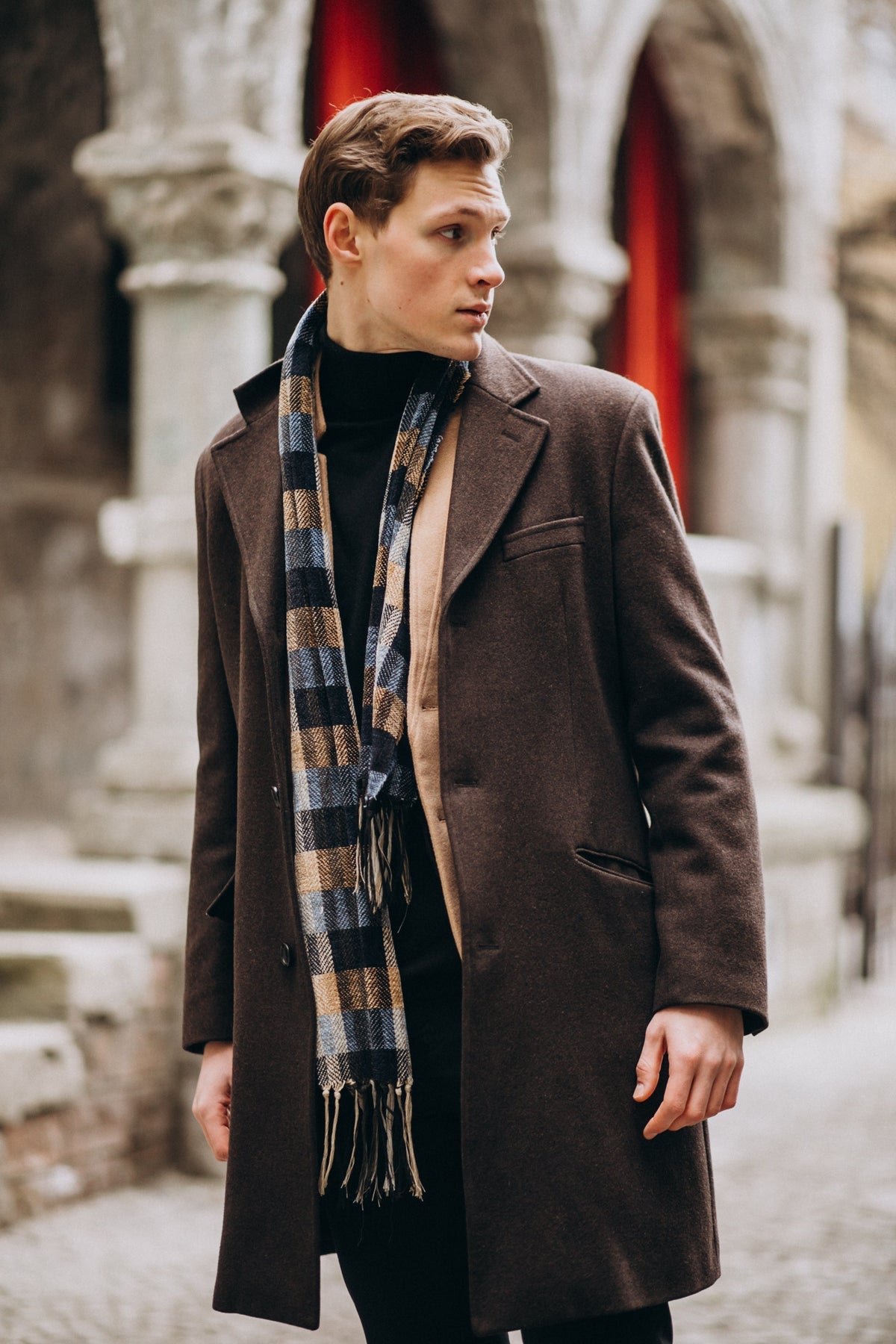
Woolen Overcoat for Men: Fit, Fabric & Styling Guide
Finding the perfect woolen overcoat doesn't have to feel overwhelming. Think of it as investing in that one piece that makes every winter outfit look intentional and polished. Whether you're new to overcoats or looking to upgrade, this guide breaks down everything you need to know in simple, practical terms.
Understanding Wool Fabrics: What You're Actually Buying!
When you flip over that price tag and see different wool types listed, it's easy to feel confused. Let me break down what these terms actually mean for your day-to-day wear.
Pure Wool vs. Wool Blends
Pure wool overcoats work like natural insulation because the fibers create tiny air pockets that trap warmth. Merino wool stands out here—it feels softer against your skin and naturally resists odors, which matters if you're wearing your coat all day at work.
Wool blends mix in synthetic fibers like nylon or polyester, usually around 10-20%. This isn't about cutting corners—blends actually handle rain better and keep their shape through multiple seasons. For daily commuting and regular wear, a good blend often outperforms pure wool in durability.
Specialty Wool Types Worth Knowing
Cashmere blends feel incredibly luxurious and soft, but they're less tough than standard wool. Save these for special occasions rather than your everyday subway commute.
Tweed creates that textured, casual look with its thick weave. Picture wearing it with jeans on Saturday versus wearing smooth wool to Monday's meeting.
Melton wool goes through extra processing that makes it dense and wind-resistant. If you walk outside a lot or face harsh winters, this fabric type becomes your best friend.

Getting the Fit Right: Where Most Guys Go Wrong
Here's the truth—most men either buy overcoats too tight or way too baggy. Your overcoat needs to fit comfortably over a suit jacket or thick sweater without pulling at the shoulders or restricting your movement.
The Shoulder Test
Stand in front of a mirror and check where the shoulder seam sits. It should land right at the edge of your actual shoulder—not drooping down your arm or pinching at your neck. Raise your arms forward like you're holding a steering wheel. If the whole coat lifts up with you, it's too tight across the back.
Length Matters More Than You Think
A classic overcoat typically falls somewhere between mid-thigh and just above your knee. Taller guys can go slightly longer without looking overwhelmed by fabric, while shorter guys should stick closer to mid-thigh to avoid visually cutting their height.
The Sleeve Sweet Spot
Your sleeves should end right where your wrist meets your hand, showing about half an inch of your shirt cuff underneath. Any longer looks sloppy, any shorter makes the coat seem like you borrowed it from someone smaller.
Pro tip: Always try on overcoats wearing what you'd actually layer underneath. Testing a winter coat while wearing just a t-shirt tells you nothing useful.
Check out Men's Signature Leather Jackets at the most affordable rates!
Body Type Considerations: Finding Your Best Shape:
Different coat styles flatter different builds. Understanding this saves you from buying something that technically fits but doesn't actually make you look good.
For Slimmer Builds
Single-breasted coats with a slight taper at the waist create shape without overwhelming your frame. Look for styles with some structure in the shoulders—this adds presence without costume-like padding. Avoid really boxy cuts that make you disappear inside the fabric.
For Broader or Muscular Frames
You need roomier cuts through the chest and shoulders. Double-breasted styles can work really well because they create vertical lines that balance out width. Skip anything marketed as "slim fit"—it'll pull awkwardly across your back and chest.
For Guys Carrying Extra Weight
Go for coats that hang straight from the shoulders rather than nipping in at the waist. Darker colors and vertical details like peaked lapels help create a streamlined appearance. Single-breasted coats with one or two buttons sit better than double-breasted options, which can add bulk where you don't want it.
Classic Overcoat Styles: Know What You're Looking For?
Understanding these basic styles helps you communicate with salespeople and search online more effectively.
The Chesterfield
This represents that timeless, elegant overcoat you see in classic films—usually single-breasted with a velvet collar. It works beautifully for formal occasions or professional settings. Pair it with tailored trousers and leather shoes when you need to look polished.
The Peacoat
These give off more casual, nautical energy with their double-breasted front and wide lapels. Originally designed for sailors, they hit around hip length and work great for weekend wear. Think of throwing one over a sweater and dark jeans when you're grabbing coffee.
The Ulster Coat
This style comes with a belt and often features a cape or extra layer across the shoulders. It's less common now but creates a distinctive, heritage-inspired look if you're into classic menswear and want something different.
Trench-Style Woolen Coats
These blend the structure of a trench with the warmth of wool, usually including a belt and storm flap. They sit somewhere between formal and casual, working equally well at the office or on date night.

Choosing Your Color: Beyond Black and Navy!
The color you choose affects both versatility and maintenance, so think about your lifestyle before deciding.
Black: Sharp but High-Maintenance
Black overcoats look formal and match almost everything in your closet. They're perfect for business settings or evening events. The downside? Black shows lint and dust easily, so you'll be brushing it off constantly.
Navy: The Most Practical Choice
Navy offers similar versatility to black but feels slightly less severe. It pairs beautifully with grey, brown, and tan pieces, plus it hides minor stains better. This might be your best bet for a first overcoat.
Charcoal Grey: The Sweet Spot
Charcoal strikes a balance between formal and approachable. It works with both warm and cool color palettes and stays forgiving when it comes to keeping clean.
Camel or Tan: Making a Statement
Light-colored coats brighten up winter outfits when everything else feels dark. They pair exceptionally well with denim, navy, burgundy, and forest green. Just know these show dirt more easily and might need more frequent cleaning.
Earth Tones: Olive and Brown
Olive or forest green creates an outdoorsy, rugged vibe that works great for weekends, though it might feel too casual for conservative offices. Brown shades from chocolate to tobacco give off warm, approachable energy and complement earth-toned wardrobes perfectly.
Shop our Best-Sellers in Leather Jackets today!
Styling for Different Occasions: Making It Work in Real Life:
Your overcoat should adapt to your actual life, not just look good on a mannequin.
Business and Formal Settings
Stick with structured overcoats in darker shades worn over your suit. Keep the coat unbuttoned so people can see your jacket and tie underneath. Polish the look with leather dress shoes and a matching belt. Your overcoat becomes the final layer that pulls everything together as you walk from the parking lot to your meeting.
Smart Casual Situations
Try a navy or grey overcoat over a blazer, dress shirt without a tie, and dark chinos or jeans. Swap formal oxfords for clean leather sneakers or suede boots. This combination works for dinner reservations, theater outings, or nice gatherings where you want to look put-together without seeming overdressed.
Weekend Casual
Throw your peacoat or casual woolen coat over a chunky knit sweater, comfortable jeans, and boots. Add a scarf for extra warmth and visual interest. This outfit handles farmers markets, casual brunches, or afternoon walks without making you look like you're headed to a board meeting.
Transitional Weather
During early fall or late winter when temperatures hover around 50-60 degrees, layer your overcoat over just a button-down shirt and sweater. Keep it unbuttoned for a more relaxed silhouette. This prevents overheating while maintaining that polished appearance.
Layering Techniques: Building Warmth Without Bulk:
Smart layering makes the difference between staying comfortably warm and looking like you can barely move your arms.
Start with the Right Foundation
Begin with a thin merino wool undershirt if you're dealing with really cold weather. This provides warmth without adding visible bulk under your dress shirt. From there, add your shirt, then perhaps a thin sweater or vest, then your suit jacket if needed, and finally your overcoat as the outer shell.
The key principle here: keep inner layers fitted and save room in your coat for just one or two layers underneath. If you need three sweaters under your coat to stay warm, the coat itself isn't insulated enough for your climate.
The Role of Accessories
Scarves add significant warmth around your neck where you lose a lot of body heat. They also introduce color or pattern to an otherwise neutral outfit. You don't need fancy knots—just looping once around your neck works fine.
Gloves and hats complete your cold-weather protection, but match them to your coat's formality level. Leather gloves suit dressier overcoats while knit gloves work with casual styles. Same goes for hats—felt fedoras or flat caps complement formal coats, while beanies pair better with relaxed peacoats.
Care and Maintenance: Making Your Investment Last
A quality woolen overcoat can last a decade or more with proper care. Here's how to protect your investment.
Daily Care Habits
Wool overcoats don't need washing after every wear—actually, washing them too often damages the fibers and ruins the shape. Instead, hang your coat on a proper wooden hanger that supports the shoulders. Let it air out between wears, ideally for 24 hours before wearing again.
Brush your coat regularly with a garment brush, especially after wearing it in rain or snow. This removes surface dirt, dust, and lint while helping the fabric maintain its appearance. Brush in downward strokes following the natural direction of the fibers.
Handling Stains and Cleaning
When stains happen, spot-clean immediately with a damp cloth rather than letting them set. For anything beyond minor spots, take your coat to a professional dry cleaner who specializes in wool garments. Most overcoats only need professional cleaning once or twice per season unless you're wearing them daily in messy conditions.
Proper Storage for Off-Season
Clean your coat first, then hang it in a breathable garment bag in a cool, dry closet. Never use plastic bags for long-term storage—wool needs air circulation to prevent musty odors and potential moth damage. Cedar blocks or lavender sachets in your storage area naturally repel moths without harsh chemicals.
Quick Repairs Save Money
Small holes or loose buttons deserve quick attention before they become bigger problems. Learn basic repairs like sewing on a button, or find a trusted tailor who can handle minor fixes affordably. Catching these issues early prevents costly repairs down the road.
Thinking of getting a jacket that shows your style? We got you covered! Visit our website now and get customized leather jackets now!
Shopping Smart: Getting Quality Without Breaking the Bank:
You don't need to spend thousands to get a quality overcoat. Here's how to find the best value.
Timing Your Purchase
End-of-season sales offer the best prices on quality overcoats. Start looking in late February or early March when retailers clear out winter inventory. You'll find last season's styles at 40-60% off, and classic overcoat designs don't change much year to year anyway.
Alternative Shopping Venues
Factory outlet stores from decent brands sometimes carry overcoats at reduced prices. Just inspect the quality carefully—some outlet merchandise is made specifically for outlets using cheaper materials rather than being genuine overstock from main stores.
Vintage and consignment shops hide real treasures if you're patient and willing to hunt. Older overcoats were often constructed better than modern fast-fashion versions, using higher-quality wool and more durable stitching. Just check thoroughly for moth holes, stains, and worn areas before buying.
Quality Checkpoints
When evaluating any overcoat, examine the lining first. Cheap coats use thin, synthetic linings that tear easily, while better coats feature substantial linings in materials like viscose or silk blends. Check the buttons too—they should feel solid and preferably be sewn on with reinforced stitching. Run your hand over the fabric. Quality wool feels smooth and substantial, not scratchy or flimsy.
Grab your dream leather jacket today! Buy Black Heritage Flex Varsity Jacket now!
Wool vs Leather Jacket: Which One Should You Choose?
- Warmth and Weather Suitability
Wool overcoats are ideal for cold, dry weather as they provide natural insulation while remaining breathable. Leather jackets, on the other hand, work better in mild to moderately cold conditions and can handle light wind or drizzle. If you face harsh winters, wool is the more reliable option.
- Style and Appearance
Wool overcoats offer a more formal and polished look, making them perfect for office wear or dressy occasions. Leather jackets lean toward a bold, casual, or edgy style. Your choice depends on whether you want sophistication or a more rugged appearance.
- Durability and Maintenance
Leather jackets are generally more durable and long-lasting if properly cared for. Wool requires more maintenance and is more prone to damage from moisture or improper storage. However, wool can still last years with proper care.
- Comfort and Breathability
Wool is naturally breathable and comfortable for extended wear, especially indoors. Leather can feel heavier and less breathable, particularly in warmer conditions. This makes wool a better option for all-day wear.
- When to Choose Each
Choose a wool overcoat for formal settings, colder climates, and layered outfits. Go for a leather jacket when you want a versatile, stylish piece for casual wear and transitional weather.

Final Thoughts: Making Your Choice:
Your woolen overcoat represents one of those purchases that genuinely improves your daily life when you get it right. It keeps you warm, makes you look pulled-together, and lasts for years if you choose well and care for it properly.
Take your time finding the right fit and style for your needs rather than rushing into something that's just okay. When you finally find that perfect coat, you'll reach for it constantly and wonder how you ever managed winters without it. The investment pays off not just in warmth, but in the confidence that comes from knowing you look good every time you walk out the door.
Buy Heritage Goat Suede Brown Trucker Jacket and find your perfect fit today!
Frequently Asked Questions
What is a woolen overcoat for men?
A woolen overcoat for men is a long winter coat made primarily from wool, designed to provide warmth, structure, and a polished look during cold weather.
Is a woolen overcoat warm enough for winter?
Yes, woolen overcoats offer excellent insulation and are suitable for most U.S. winters, especially when layered with sweaters or thermals.
What wool percentage is best for a men’s overcoat?
An overcoat with 60 to 80 percent wool is ideal. Higher wool content provides better warmth, durability, and breathability.
How should a woolen overcoat fit a man?
A woolen overcoat should fit comfortably over layers without feeling tight. The shoulders should sit properly, and the length should allow easy movement.
What length wool overcoat is best for men?
Knee-length or mid-thigh wool overcoats are best for men as they balance warmth, style, and versatility for both formal and casual wear.
Can men wear wool overcoats casually?
Yes, wool overcoats can be styled casually with jeans, boots, and knitwear, making them suitable for everyday winter outfits.
Are woolen overcoats good for work and office wear?
Woolen overcoats are ideal for office wear because they pair well with suits, blazers, and formal shoes while keeping you warm.
Which wool overcoat colors are most popular for men?
Black, charcoal, navy, and camel are the most popular colors as they are versatile and easy to style.
Are woolen overcoats suitable for U.S. winters?
Yes, woolen overcoats work well across U.S. climates, especially in colder states like New York, Illinois, and Massachusetts.
What is the best wool overcoat for extremely cold weather?
For extreme cold, choose a wool overcoat with a thick lining, longer length, and higher wool blend for added insulation.
What is the difference between men’s and women’s wool overcoats?
Men’s wool overcoats usually have straighter cuts and structured shoulders, while women’s overcoats often feature tapered waists and varied silhouettes.
Can women wear men’s wool overcoats?
Yes, women can wear men’s wool overcoats for a relaxed or oversized look, especially for casual winter styling.
Is a woolen overcoat good for New York winters?
Yes, woolen overcoats are ideal for New York winters when layered properly, offering warmth and style in cold city weather.
Are wool overcoats suitable for mild winters like California?
Yes, lighter wool overcoats work well for mild winters in states like California where extreme insulation is not required.

Written by Sarib Kakerzai



Leave a comment
This site is protected by hCaptcha and the hCaptcha Privacy Policy and Terms of Service apply.