
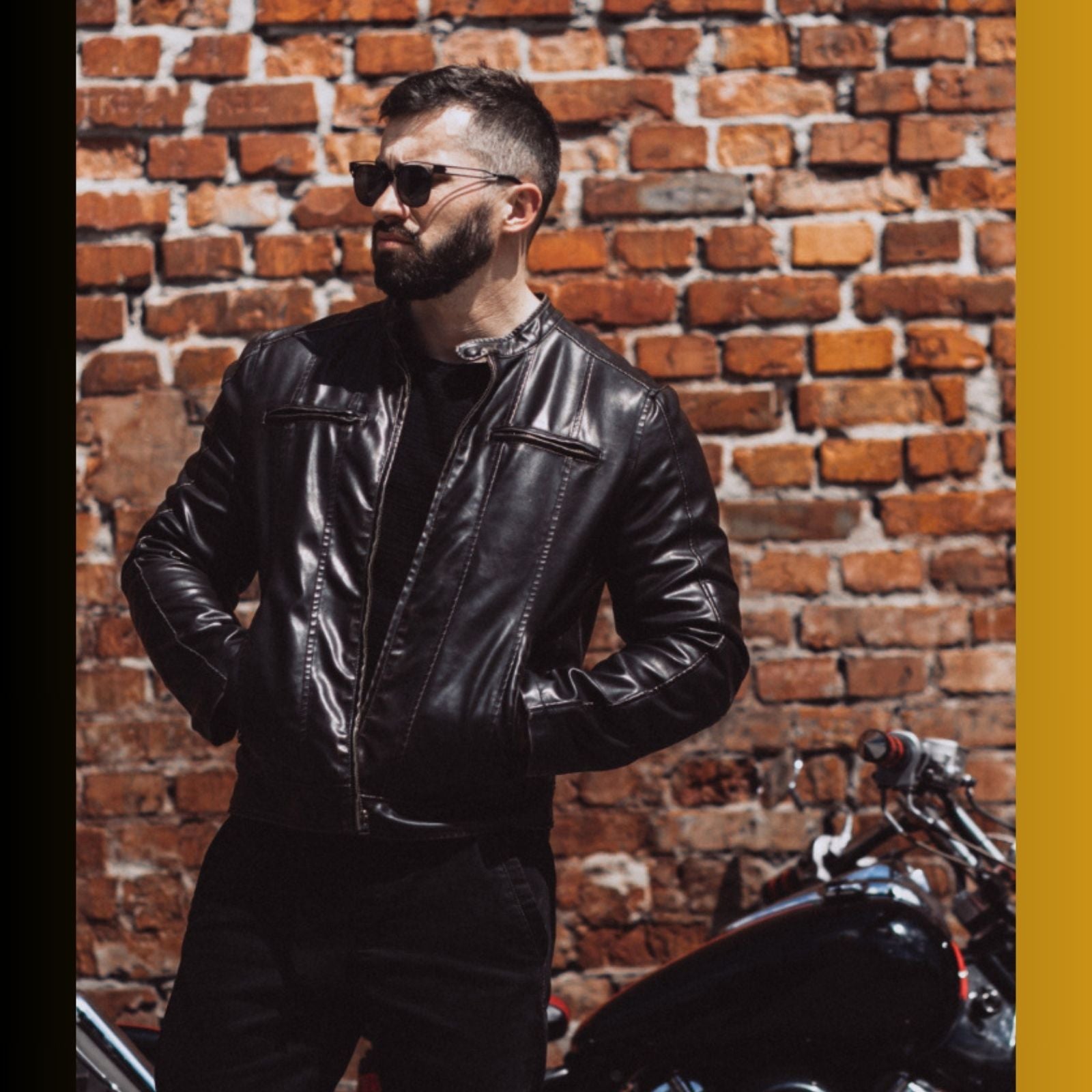
Motorcycle Jackets for Riders | Protection, Style & Comfort
So you're looking for a motorcycle jacket? Smart move. Let me walk you through this like I'm helping out a buddy who just got their first bike.
What Actually Makes a Riding Jacket Different
Here's the thing about motorcycle jackets that most people don't realize at first. They're not just regular coats that look cool. The whole design is built around protecting you when things go wrong.
Regular jackets? They'll rip apart if you slide across pavement. But a proper riding jacket has thick material in all the spots where you'd hit the ground. The seams are reinforced so they don't come apart on impact. Plus there's padding built into the shoulders, elbows, and back because those areas take the hardest hits.
Think of it this way. Your helmet protects your head, right? Well, your jacket does the same job for the rest of your upper body. You wouldn't ride without a helmet, and honestly, you shouldn't ride without a decent jacket either.
Leather or Something Else? Let's Break It Down
Leather jackets have been the go-to choice forever, and there are good reasons why. When you hit the road, leather doesn't tear easily. It also looks amazing and gets better with age, kind of like a favorite pair of boots. After a few years, it molds to your body shape perfectly.
But leather has downsides too. It gets crazy hot in summer. When it rains, you're pretty much soaked unless you treated it with special products. And quality leather jackets aren't exactly cheap.
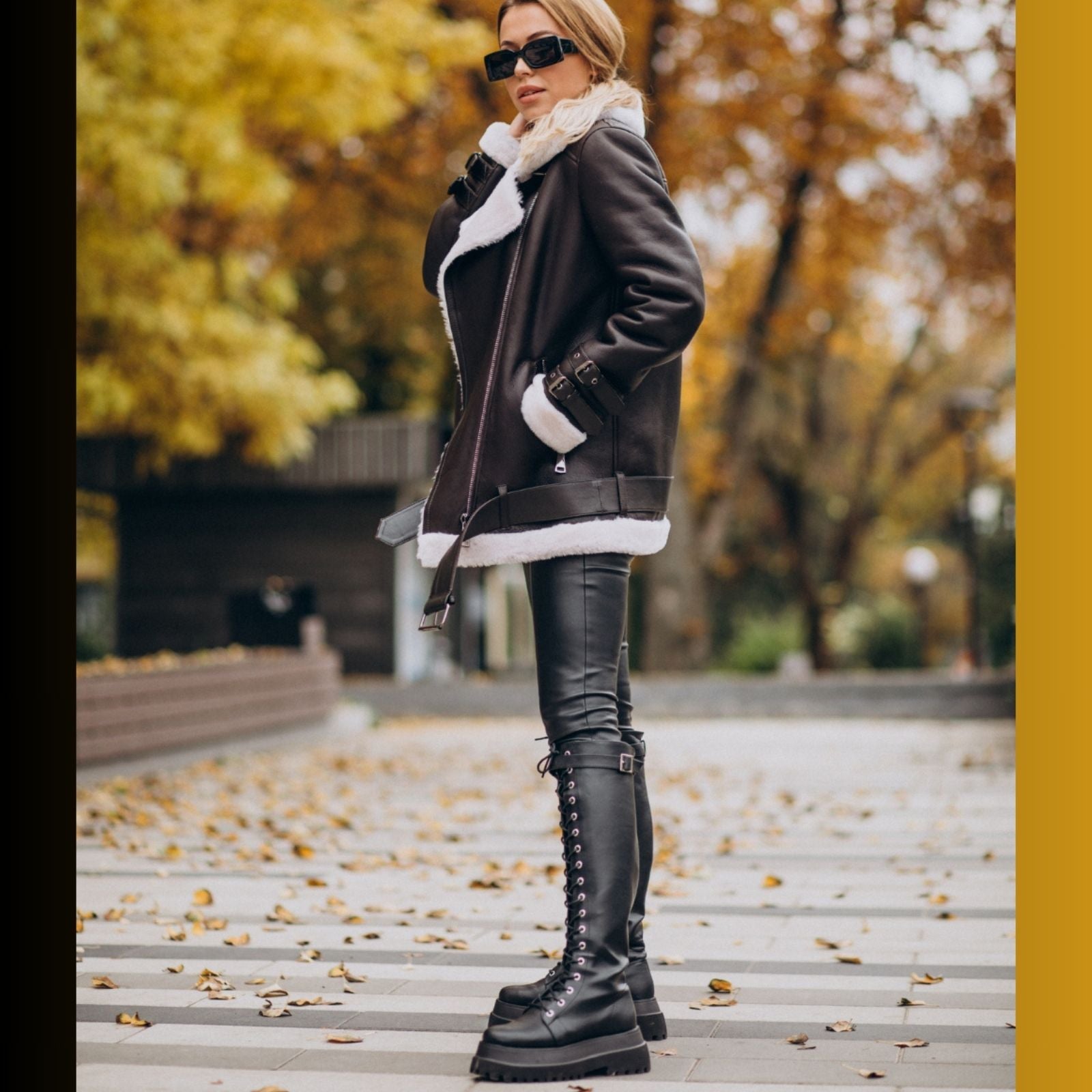
Get trendy women's leather jackets under $200
That's where textile jackets come in. These are made from synthetic fabrics that are super tough but way lighter than leather. They dry quickly when wet, and many come with waterproof layers built right in. The best part? They usually have vents you can open when it's blazing hot outside.
Some jackets mix both materials together. You might see leather on the shoulders and elbows where you need maximum protection, with textile everywhere else for comfort and weather resistance. Pretty clever if you ask me.
Matching Your Motorcycle Jacket to the Weather
Summer riding is brutal if you're wearing the wrong gear. You want something with tons of airflow. Perforated leather has tiny holes punched through it, letting air reach your skin. Mesh textile jackets are even better for hot days because they're basically like riding in a screen door, but one that'll still protect you.
Winter is the opposite problem. Now you need insulation to keep warm when the wind is cutting through everything. Good cold weather jackets have thick liners that trap heat close to your body. The best ones let you zip out those liners when spring arrives, so you're not stuck buying separate jackets for every season.
Spring and fall get tricky because the weather changes so much. You might leave home in the morning when it's cold, then by afternoon you're sweating. That's why jackets with removable layers are clutch. You can adjust on the fly based on what the day throws at you.
The Armor Inside Makes All the Difference
This part is super important, so pay attention. Modern jackets come with protective pads called armor that go in the shoulders, elbows, and back. These aren't just foam padding like you'd find in a regular coat.
Good armor is rated by safety standards, which means it's been tested to actually absorb impact energy. When you crash, these pads spread out the force instead of letting it concentrate on one spot and break bones. Some use special materials that stay flexible when you're riding normally but instantly harden when you hit something.
Make sure the armor actually stays in place too. Cheap jackets sometimes have pockets where the pads can shift around, which defeats the whole purpose. You want those protectors sitting exactly where they're supposed to be, every single time you ride.
Finding Your Style on Two Wheels
Cafe racer jackets are all about that vintage look. They're shorter, fitted close to your body, and have a clean design without a bunch of extra pockets or details. They look killer on retro bikes and modern classics.
Touring jackets are built for people who actually ride long distances. Lots of pockets for all your stuff, longer backs so you stay covered when leaning forward, and usually brighter colors so cars can spot you easier. They're not trying to win fashion awards, just keep you comfortable mile after mile.
Sport bike jackets match the aggressive vibe of racing bikes. They've got pre-bent arms because you're always leaning forward on those bikes. Some even have humps on the back to cut through wind better at high speeds. The graphics are usually pretty wild too.
Cruiser jackets embrace that classic American motorcycle culture. Think fringe, studs, maybe some patches. They fit looser because you're sitting more upright on a cruiser. Still protective, just with more personality showing through.
Getting the Fit Right Actually Matters
Here's where people mess up all the time. They either buy jackets way too big thinking they need room, or too small because they want that fitted look. Neither works well for riding.
Your jacket should feel snug but not tight. When you're standing around, it might feel a bit more fitted than your everyday clothes. But here's the key test—zip it up and reach forward like you're grabbing handlebars. Can you move freely? Do the sleeves still cover your wrists? Twist your torso side to side. Nothing should bind up or restrict you.
Looking for a luxury biker jacket? Search here
Most good jackets have adjustment straps at the waist, cuffs, and sometimes the collar. Use them. They help the jacket stay in place instead of flapping around or riding up when you're moving. Those little adjustments make a huge difference over a long ride.
Staying Dry When the Sky Opens Up
Waterproof jackets use special membranes that block rain from getting in while still letting sweat vapor escape. That breathing part is crucial because otherwise you'd be soaking wet from your own sweat instead of the rain.
Some jackets have waterproof layers you can add over the top when needed. Others build the waterproofing right into the shell. Both approaches work, just depends on your preference.
Leather jackets can handle light drizzle if you treat them with water repellent products, but don't count on them in a downpour. If you ride in rainy areas a lot, textile with waterproof membranes is your friend.
Being Seen Can Save Your Life
Bright jackets in neon yellow, orange, or green make you way more visible to drivers. Add reflective strips that light up when headlights hit them, and you've got serious conspicuity going on.
I get it though, not everyone wants to look like a traffic cone. Lots of jackets come in normal colors but have reflective details that only show up at night. You can also throw a high-vis vest over any jacket when you need extra visibility.
Staying Cool When It's Blazing Hot
Good ventilation systems have intake vents on your chest that scoop up air as you ride, then exhaust vents on your back that let hot air escape. You can usually zip these open or closed depending on how much cooling you need.
Mesh panels under your arms and across your back help too. Some jackets hide these behind flaps so you only see them when the vents are open, keeping the look clean.
Even the best vented jacket has limits though. When it's ninety-five degrees and humid, sometimes there's just no comfortable answer except waiting for cooler hours to ride.
Pockets for All Your Stuff
Outer pockets are great for things you grab often—phone, wallet, sunglasses. Inner pockets protect valuables from weather and keep them more secure. Some touring jackets have so many pockets you could practically live out of them.
Waterproof pocket linings protect your phone even if the rest of the jacket gets wet. Wire routing channels keep headphone cables from tangling. It's all about making life easier when you're out on the road.
Taking Care of Your Gear
Leather needs conditioning products to stay supple. Without it, the material dries out and cracks. Clean it gently with leather-specific cleaners, not random household products.
Textile jackets usually handle machine washing fine, but always check the care tag first. Pull out the armor before washing. After a bunch of washes, you might need to reapply waterproofing treatments.
Store everything properly during off-season. Hang leather jackets somewhere cool and dry, away from direct sunlight. Make sure textile jackets are totally dry before storing them to prevent mold.
Getting Good Gear Without Spending a Fortune
Affordable jackets have gotten way better lately. You can find solid protection without dropping a month's rent. The trick is focusing on safety features over fancy details.
Look for proper armor and tough materials first. Worry about brand names and extra bells and whistles later. A cheaper jacket with real protection beats an expensive fashion piece that won't hold up in a crash.
Why Cuir Jackets Makes Sense for Budget-Conscious Riders
Cuir Jackets gets that not everyone can afford top-tier gear right out of the gate. They focus on bringing you jackets that actually protect without unnecessary markups.
What sets them apart is they understand motorcycles aren't just transportation, they're a lifestyle. Their team knows gear inside and out because they ride too. When you call with questions, you're talking to someone who actually gets it.
They stock options for new riders who need affordable entry points and experienced riders looking for backup jackets or specific styles. The quality control is solid, the customer service actually helps, and the prices don't make you wince.
Buy high quality motorcycle jackets in low price
Look, your jacket is seriously one of the most important pieces of gear you'll own. Understanding what makes a good one, how different materials work, and what features actually matter helps you choose something that'll keep you safe ride after ride.
Whether you go premium or budget-friendly, just make sure you're protected out there. The road doesn't care how much you spent, it only cares if you're wearing the right gear when things go sideways.
Most Asked Queries About Biker Jackets
-
What is a motorcycle jacket, and why is it different from a regular jacket?
A motorcycle jacket is built for riding protection and comfort, abrasion resistance, reinforced construction, and armor placement, while regular jackets are mainly for style. -
Is a leather motorcycle jacket safer than a fashion leather jacket?
Usually, yes. Riding jackets are made with protective construction and armor compatibility. Fashion leather often lacks those safety features. -
Do motorcycle jackets come with armor, and what does CE-rated armor mean?
Many include shoulder and elbow armor and may offer a back protector upgrade. CE-rated armor is tested to meet safety standards, and higher levels generally protect more. -
What’s the difference between CE Level 1 and CE Level 2 armor?
CE Level 2 typically absorbs more impact than Level 1, while Level 1 can feel lighter and more flexible. (General guidance supported by gear safety explainers.) -
How should a motorcycle jacket fit?
Snug but not restrictive. It shouldn’t ride up when you reach forward, and armor should sit correctly on shoulders/elbows when you’re in a riding position. -
What’s the best motorcycle jacket for summer riding in hot U.S. weather?
Mesh or high-vent textile with CE-rated armor. Prioritize airflow, comfortable liners, and a fit that keeps armor in place. -
What’s the best motorcycle jacket for winter riding or cold states?
Look for wind-blocking materials, thermal liners, and water protection. Layering (base + mid) helps you stay warm without bulk. -
Are waterproof motorcycle jackets worth it?
If you commute or ride in rainy areas, yes. Waterproof gear keeps you warmer and more comfortable; water-resistant is better for occasional light rain. -
Leather vs textile motorcycle jackets: which should you choose?
Leather is known for abrasion resistance and classic style; textile often wins on ventilation and all-season features. Choose based on climate and riding style. -
What does “motorcycle clothing jacket” mean?
It usually means a riding jacket—protective outerwear designed specifically for motorcycle use.

Leave a comment
This site is protected by hCaptcha and the hCaptcha Privacy Policy and Terms of Service apply.