
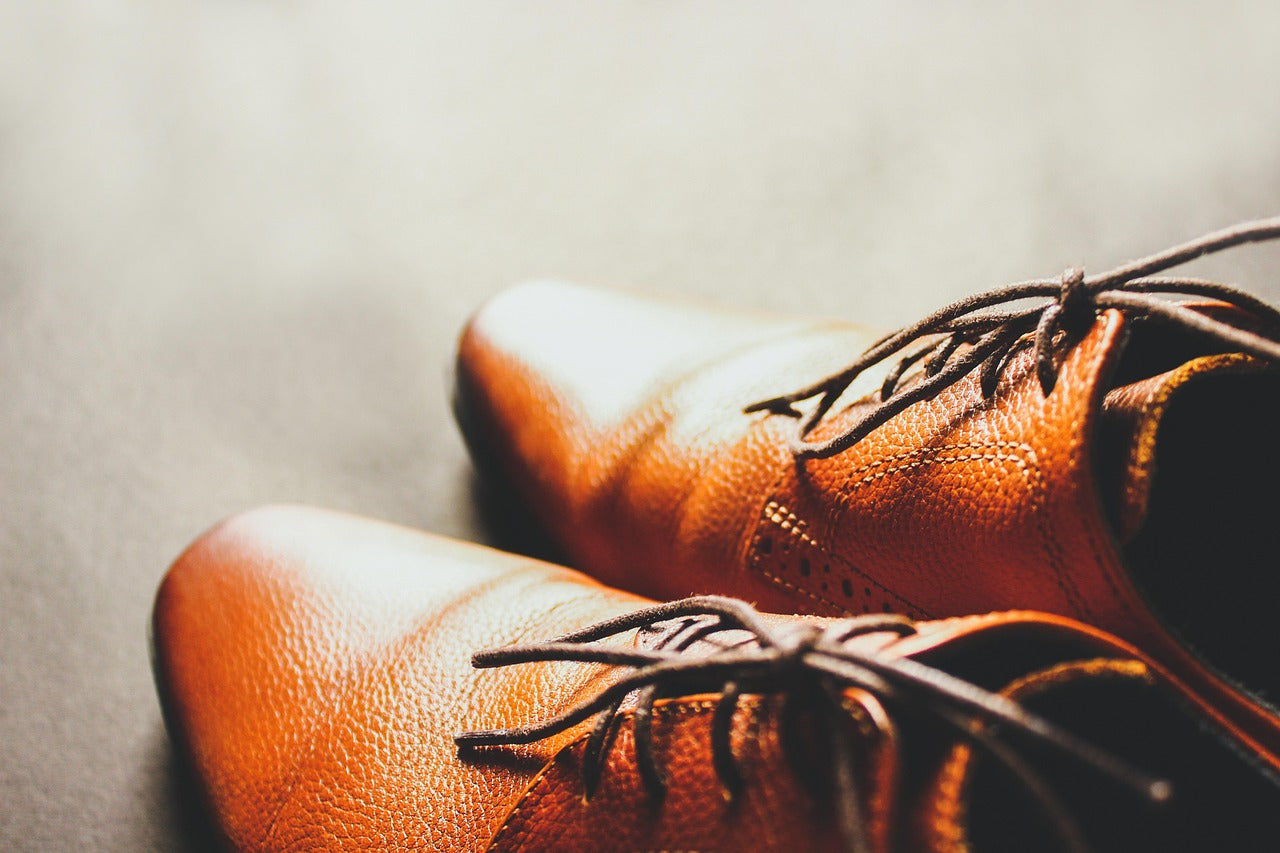
Everything You Need to Know About Men's Laced Boots
Hey there! So you're looking into getting some boots with laces? Smart move. Let me walk you through absolutely everything that matters when choosing the right pair for you.
What Makes Laced Boots Different From Other Footwear?
Here's the thing about boots that tie up with laces—they give you something slip-on styles just can't match. When you pull those laces tight, the boot wraps around your foot exactly how you need it to. Got wider feet? You can loosen them a bit. Need extra support for a long day? Tighten them up. That adjustability is pretty much the whole point, and honestly, it makes a massive difference in comfort.
Plus, there's something about the way they look. Those laces going up the front add texture and detail to your outfit. Even a basic pair of jeans and a t-shirt suddenly looks more intentional when you've got solid boots completing the look.
The Main Styles You'll Come Across!
Walking into a store or browsing online can feel overwhelming with all the options out there. Let me break down the main categories so you know what you're actually looking at.
Work boots are built tough. Think thick leather that can take a beating, soles with serious grip, and overall construction designed to protect your feet. Timberland makes the classic wheat-colored ones you see everywhere, but brands like Red Wing and Wolverine create boots that literally last decades if you treat them right. These sit above your ankle, usually have six to eight eyelets for the laces, and weigh enough that you know you're wearing something substantial. Guys wear these on construction sites, sure, but they've also become weekend staples because they look great with darker denim and flannel shirts. The rugged appearance just works.
Combat boots bring that military-inspired edge. Originally designed for soldiers, they've crossed over into everyday fashion big time. Dr. Martens basically defined this category with their iconic eight-hole and ten-hole versions. These boots hug your calf, create a taller silhouette, and have this structured shape that stands out.
The leather is usually smooth and polished, though you can find versions in matte black or even canvas. When you pair black combat boots with slim pants—could be jeans, could be chinos, even joggers—you get this street style vibe that's been cool for like forty years straight. Throw on a basic crew neck sweater and a leather jacket, and you've nailed a look that never feels outdated.
Hiking boots were made for trails but work perfectly well in the city too. Brands like Merrell, Salomon, and Columbia design these with ankle support built right in, plus materials that handle rain and snow without falling apart. The soles have deep treads that grip wet surfaces, which is pretty useful whether you're climbing rocks or just navigating icy sidewalks in January.
What's cool is how these have become totally acceptable as regular everyday footwear. Brown or grey hiking boots with dark chinos and a casual button-down shirt gives you this outdoorsy, capable look without seeming like you're trying too hard. You look like someone who could handle an adventure but is equally comfortable grabbing coffee downtown.
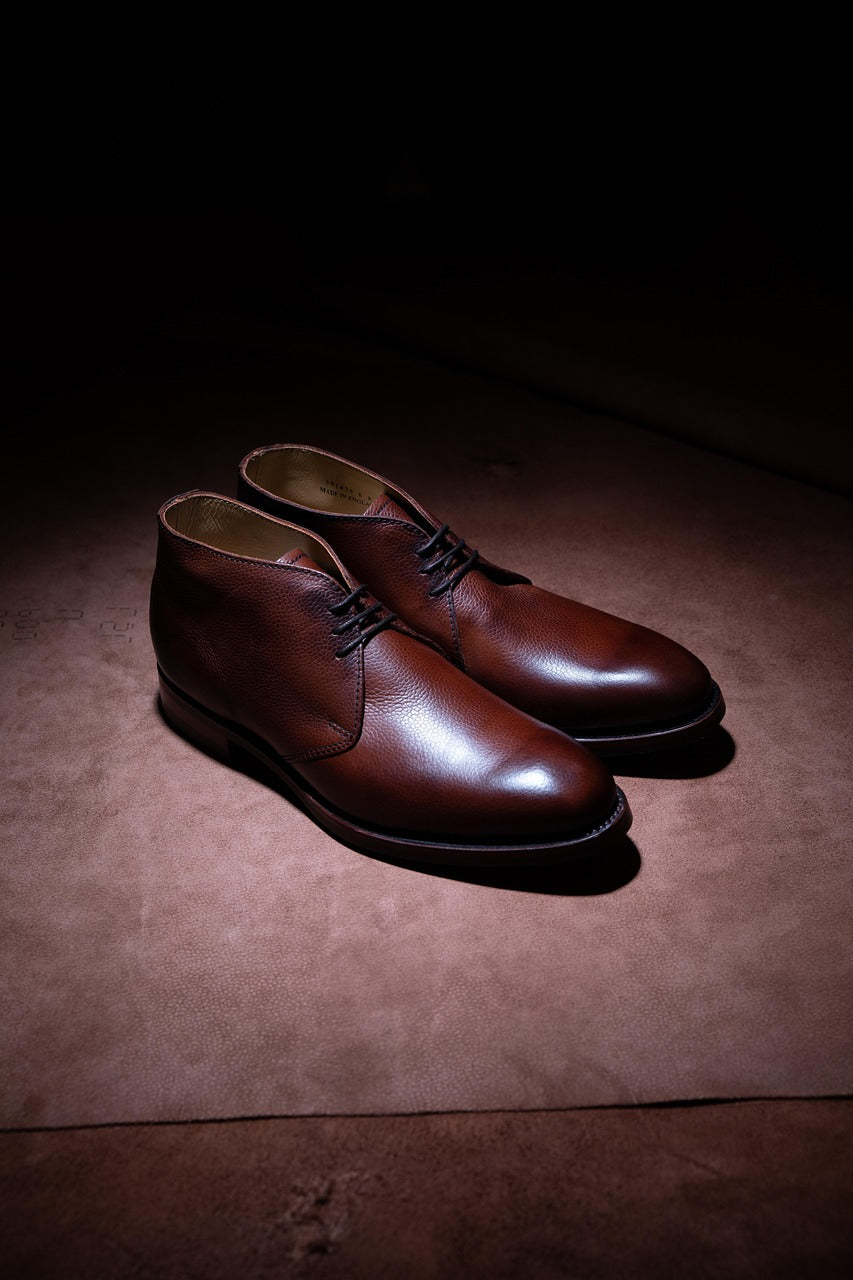
Dress boots with laces take things in a more refined direction. These borrow the sleek shape of Chelsea boots but swap out those elastic side panels for traditional lacing. You'll find them in polished leather, usually black or rich brown tones. The toe might be slightly pointed or rounded, and the overall profile stays slim and elegant.
These work when you need something nicer—think dinner reservations, client meetings, or any situation where sneakers feel too casual but formal dress shoes seem excessive. Dark navy pants, a fitted sweater, and burgundy leather dress boots create this polished but approachable style that works for tons of occasions.
Desert boots keep things light and relaxed. Clarks basically invented this style decades ago, and it's stuck around because it just makes sense. These typically come in suede—tan, sand, grey, or sometimes darker shades. They hit right at your ankle with just two or three eyelets for the laces.
The casual nature of desert boots makes them super versatile. Khaki pants and a polo shirt? Perfect. Light-wash jeans and a henley? Also great. They bridge the gap between sneakers and heavier boots, giving you something comfortable that still elevates your outfit a notch.
Thinking of buying a jacket that gives you the spotlight in every room? Well, it is time to check out our Best-selling Leather Jacket Collection!
Understanding Different Materials
The material your boots are made from changes everything about how they look, feel, and hold up over time. Let me explain what you're actually getting with each type.
Full-grain leather represents the highest quality you can buy. This is the top layer of the hide with all its natural characteristics intact. What makes it special is how it ages. New full-grain leather might feel a bit stiff at first, but as you wear these boots, they mold to your feet. Scratches and scuffs don't ruin them—they add character. That worn-in look people pay extra for? That happens naturally with full-grain leather. These boots can literally last ten, fifteen, even twenty years if you maintain them properly. Yeah, they cost more upfront, but think about buying cheap boots every year versus one quality pair that becomes more yours over time.
Suede brings a completely different vibe. It's softer to the touch, has this texture that catches light differently, and feels more casual right out of the box. Grey suede boots with dark jeans create this monochromatic look that's really popular right now. Tan or sand suede works beautifully in spring and fall. The trade-off is maintenance. Water and suede don't mix well, so you need to spray them with protector before wearing and brush them regularly to keep the nap looking fresh. But that extra care is worth it for how good they look.
Synthetic materials have come a long way in recent years. Modern boots might use combinations of treated fabrics, rubber compounds, and engineered materials that repel water, dry quickly, and cost significantly less than leather. If you commute in unpredictable weather or need something practical for daily wear without worrying too much, synthetic boots make total sense. They might not develop that same character as leather, but they serve their purpose really well.
Waterproofing technology like Gore-Tex changes the game entirely. This membrane sits inside the boot, blocking water from getting in while still letting your feet breathe. If you live somewhere with rain, slush, or snow, this feature stops being optional and becomes essential. Nobody wants soggy socks halfway through their day.
Getting the Fit Right
Sizing boots correctly matters way more than you might think. Here's what you need to pay attention to when trying them on.
Your toes should have space to move around. When you're standing normally, there should be about a thumb's width between your longest toe and the front of the boot. This prevents jamming on downhill walks and gives your foot room to swell slightly during the day. At the same time, your heel shouldn't be sliding up and down when you walk. A little movement is normal, but if your heel lifts more than maybe a quarter inch, you need to go down half a size.
The width matters just as much as length. When you lace up the boots, you should feel gentle pressure across the top of your foot, but nothing should pinch or squeeze. Some brands run narrow, others run wide. Clarks tends to run roomier, while Italian brands often fit slimmer. Don't force your foot into boots that feel tight thinking they'll stretch enough to fix the problem. Leather does give a little with wear, but not a whole size worth.
Try boots on in the afternoon rather than first thing in the morning. Your feet swell throughout the day from walking around, so afternoon sizing gives you a more accurate fit. Wear the type of socks you'll actually use with these boots—thick wool hiking socks versus thin dress socks make a real difference in how boots fit.
Walk around for at least ten minutes before deciding. Pace around the store, go up and down stairs if possible, flex your feet. Discomfort in the first ten minutes usually means discomfort forever. Your feet will tell you if something's wrong.
Check out Men's Classic Biker Jackets at the most affordable rates and give your wardrobe an upgrade!
How Lacing Changes Everything
The way you thread those laces affects both appearance and function. Let me show you a few methods that actually make a difference.
Standard criss-cross lacing is what most people default to, and honestly, it works great for most situations. You thread the lace through one eyelet, cross to the opposite side, thread through the next eyelet up, and repeat. This distributes pressure evenly across your foot and keeps the boot snug. It's simple, reliable, and looks totally normal.
Straight bar lacing creates this cleaner, more formal appearance. Instead of seeing the laces cross back and forth on top, you only see horizontal bars. The laces still criss-cross underneath where you can't see them. This technique works really well on dress boots when you want a polished look. It takes an extra minute to figure out the pattern, but once you've got it, the visual difference is noticeable.
Military lacing creates extra security around your ankle. The pattern pulls tighter and stays locked in place better than standard lacing. If you're actually hiking or need serious ankle support, this method helps. The trade-off is it takes longer to tie and untie, but that's kind of the point—you want these to stay exactly how you set them.
Here's a style trick that works surprisingly well: leave the top two eyelets unlaced on combat boots. This gives them a more relaxed, street-style appearance instead of looking super rigid and military. The boots still fit fine because the lower laces hold everything in place, but the look becomes way more casual and approachable.
Keeping Your Boots in Good Shape
Taking care of your boots isn't complicated, but skipping these steps means replacing them way sooner than necessary.
After wearing your boots in rain, snow, or mud, wipe them down with a slightly damp cloth. Don't wait until the dirt dries and hardens—get it while it's still fresh. For leather boots, a tiny drop of mild soap on the cloth helps, but don't soak them. Water damage happens from over-cleaning just as much as from neglect.
Every couple of months, leather boots need conditioning. This replaces the natural oils that dry out over time. Without it, leather cracks and becomes brittle. Grab a leather conditioner (Lexol and Bick 4 are both great), apply a thin layer with a soft cloth, let it soak in for a few minutes, then buff off any excess. Your boots will look richer in color and feel more flexible.
Suede requires different care. Invest in a suede brush—it costs maybe ten bucks and makes a huge difference. Brush gently in one direction to lift the nap and remove surface dirt. For stains, a suede eraser works like a pencil eraser on the material. And absolutely spray new suede boots with protector before wearing them the first time. Reapply every month or so. This creates an invisible barrier that repels water and stains.
Store boots properly when you're not wearing them. Stuff newspaper inside to help them hold their shape and absorb any moisture. Keep them in a cool, dry spot—not a damp basement or hot attic. Standing them upright prevents creases from forming in the leather.
Replace worn-out laces before they break. Frayed, dirty laces make even expensive boots look neglected. New laces cost a few dollars and instantly refresh the whole appearance.
Putting Together Outfits That Work
Let me walk you through some combinations that look great without requiring much thought.
For a relaxed weekend look, try medium-wash denim jeans with a grey crewneck sweatshirt and brown leather work boots. Roll up the jeans just once to show a bit of the boot shaft. Add a navy field jacket when it gets colder. This outfit works for running errands, meeting friends, pretty much any casual situation.
Smart casual for the office might look like charcoal chinos, a light blue oxford shirt worn untucked, and dark brown brogue-style boots. The boots keep things professional while still feeling modern and less stiff than dress shoes. Throw a blazer over this and you could attend most business meetings without feeling overdressed or underdressed.
Going out at night? Black jeans, a black turtleneck, and sleek black Chelsea-style boots with minimal lacing details creates this clean, monochromatic look. Maybe add a watch and you're done. Simple, sharp, works for dinner or drinks without seeming like you tried too hard.
Fall layering is where boots really shine. Picture this: dark olive chinos, a cream cable-knit sweater, and tan suede desert boots. The earth tones work together naturally. Add a brown leather belt that matches the boots, and the whole outfit feels cohesive. This is peak autumn style that photographs really well too.
For athletic casual, black joggers with a fitted white t-shirt and grey hiking boots gives you comfort without looking sloppy. The boots elevate what could otherwise read as just gym clothes into an actual outfit.
What Different Price Points Get You?
Understanding what you're paying for helps you make smarter decisions about where to spend your money.
Budget options from thirty to about ninety dollars include brands like Steve Madden, Aldo, Target's Goodfellow line, and similar retailers. These use corrected grain leather or synthetic materials, basic construction methods, and glued rather than stitched soles. For occasional wear or testing out a style before committing to something pricier, they serve their purpose fine. Just know they might last one or two seasons rather than years.
Mid-range boots between a hundred and two hundred fifty dollars step up significantly in quality. Thursday Boot Company, Clarks, Ecco, and Blundstone all fall here. You get genuine leather, better construction with some stitching, more comfortable insoles, and designs that hold up to regular wear. These represent the sweet spot for most guys—good enough quality to last several years without breaking the bank.
Premium boots from two fifty to five hundred dollars enter buy-it-for-life territory. Red Wing, Wolverine, Allen Edmonds, and similar brands use top-tier materials, Goodyear welt construction (which means they can be resoled), and traditional craftsmanship. The difference in how these feel and age compared to cheaper boots is night and day. If you wear boots regularly, this investment makes financial sense long-term.
Luxury boots above five hundred dollars come from makers like Viberg, Alden, Tricker's, and Crockett & Jones. These are often handmade, use exceptional leathers, and represent the absolute peak of boot construction. Are they necessary? No. But if footwear is your thing and you appreciate craftsmanship, these won't disappoint.
Matching Boots to Different Situations
Knowing when to wear which style saves you from showing up in the wrong footwear.
Cold weather demands insulated boots with thick soles. Heavy work boots or winterized hiking boots with warm linings keep your feet comfortable when temperatures drop. The extra weight and bulk doesn't matter when you're prioritizing warmth.
Rainy conditions call for waterproof treatments and rubber outsoles. Leather boots with Gore-Tex lining or treated suede that's been properly protected handle wet weather without issues. Avoid untreated suede completely on rainy days.
Dressier events need polished leather boots with cleaner lines. Those brogue details, smooth leather, and refined lacing patterns work when you want something nicer than sneakers but less formal than dress shoes.
Everyday casual situations give you the most flexibility. Desert boots, lighter combat styles, or basic leather boots all work perfectly fine for coffee runs, grocery shopping, hanging with friends, and general daily life.
Check out Men's Core Collection Leather Jackets today! Assuring the best rates and quick delivery!
Mistakes That Cost You Money or Comfort
Learning from common errors saves you frustration down the road.
Buying boots that are too tight and hoping they'll stretch enough rarely works out. Leather does give a little, maybe a quarter size at most. If boots feel uncomfortably tight in the store, pass on them. Your feet won't magically shrink.
Skipping waterproofing on leather basically invites damage. Even if you don't plan to wear boots in the rain, unexpected weather happens. Spending fifteen minutes applying protector spray prevents hours of regret later.
Wearing the same pair every single day without giving them rest shortens their life dramatically. Boots need time to dry out and recover their shape. Rotating between two pairs means both last way longer than wearing one pair twice as much.
Ignoring worn-out laces seems minor but affects the whole appearance. Frayed, dirty laces make even nice boots look cheap and neglected. New laces cost maybe five dollars and take two minutes to replace.
Not conditioning leather leads to cracking and permanent damage. Leather is skin—it dries out without moisture. Regular conditioning keeps it supple and prevents expensive repairs or early replacement.
Breaking In Your New Boots
This process can't be rushed, but you can make it easier on yourself.
Wear them around the house first. Walk on carpet, up and down stairs, just getting used to how they feel without committing to a full day out. Thick socks cushion your feet during this phase and help the leather stretch slightly.
Apply leather conditioner before the first real wear. This softens the material and makes it more pliable. The boots will mold to your feet faster and with less discomfort.
Take breaks if you start feeling hotspots forming. A hotspot is your foot's warning that a blister is coming. Listen to that warning. Pop the boots off, let your feet rest, maybe stick a Band-Aid on the spot before continuing.
Keep moleskin patches handy during the break-in period. These adhesive pads protect areas prone to rubbing and prevent blisters before they start.
Give the process two full weeks of regular wear before judging whether boots truly fit well. Some initial stiffness is completely normal and goes away as materials soften.
Why Laced Boots Beat Other Options
Understanding what makes this style special helps you appreciate what you're getting.
The adjustability is unmatched. Slip-on boots fit however they fit—you can't customize that. Laces let you dial in exactly how snug or loose you want each section. Tighter around the ankle for support, looser across the top of your foot for comfort. You're in control.
Ankle support matters more than people realize. When laced properly, these boots stabilize your ankle, reducing fatigue on long walks and preventing rolled ankles on uneven ground. That security feels especially noticeable on hikes or during winter when sidewalks get icy.
The look is timelessly cool. Fashion trends come and go, but boots with laces have been around for over a century because they simply work. You can wear them now, pack them away for five years, pull them out, and they're still completely relevant.
Final Thoughts on Choosing Your Boots
Here's the truth: you don't need ten pairs of boots. Start with one solid, versatile option that matches how you actually dress. For most guys, that's either brown leather work boots or black combat-style boots. Both work with jeans, chinos, and casual pants. Both handle different weather reasonably well. Both look intentional without being flashy.
Once you've worn that first pair enough to know what you like and don't like, consider adding a second pair in a different style or color. Maybe dressier boots for nicer occasions, or rugged hiking boots if you spend time outdoors.
Pay attention to fit above everything else. The best-looking boots in the world don't matter if they hurt your feet. Take your time trying them on, walk around, trust what your feet are telling you.
Buy the best quality you can reasonably afford. Boots are one of those things where spending a bit more upfront saves you money long-term. Mid-range boots from solid brands will treat you better than constantly replacing cheap pairs.
And honestly? Once you find boots that fit well, look good, and work with your style, you'll wonder why you didn't get them sooner. They become that piece you reach for constantly because they just make everything easier.
FAQs: Answering your Commmon Thoughts!
What outfits work best with men’s laced boots in the USA?
Men’s laced boots pair well with jeans, chinos, flannel shirts, leather jackets, and winter coats across U.S. cities. In colder states like New York and Chicago, they complement layered outfits, while in California they elevate casual streetwear and everyday smart casual looks.
Are men’s laced boots good for winter wear in snowy states?
Yes, men’s laced boots are popular winter footwear in snowy states like Colorado, Minnesota, and Massachusetts because they offer ankle support, warmth, and grip. Fashion focused shoppers often choose insulated leather designs that balance winter protection with stylish everyday urban outfits.
How should men style laced boots during fall season?
During fall across the U.S., men typically style laced boots with denim, hoodies, bomber jackets, and layered shirts for both comfort and fashion. Earth tone boots sell well in ecommerce stores because they match seasonal colors and work for casual outings or workwear looks.
Are women buying men’s laced boots as a fashion trend?
Yes, many women in fashion forward U.S. cities like Los Angeles and New York buy men’s laced boots for oversized streetwear looks. Ecommerce trends show growing demand for rugged boots styled with leggings, coats, and denim for bold winter and fall outfits.
How can women style laced boots for winter shopping and travel?
Women across colder U.S. regions style laced boots with long coats, sweaters, skinny jeans, and scarves for winter travel and shopping comfort. Fashion retailers promote lace up boots as practical choices that blend warmth, durability, and trendy street style appeal.
Which states see the highest demand for laced boots?
Ecommerce data shows high demand for laced boots in colder or fashion driven states like New York, Illinois, Colorado, Washington, and Pennsylvania. Seasonal weather and urban fashion culture increase searches and purchases, especially during fall and winter shopping seasons.
Are laced boots suitable for casual and work outfits?
Yes, both men and women wear laced boots for casual outings and work environments across the U.S. Durable leather designs match office casual attire while rugged styles suit outdoor work, making them versatile footwear choices promoted heavily by fashion ecommerce brands.
What should online shoppers look for when buying laced boots?
Online shoppers in the U.S. usually check leather quality, sole grip, comfort lining, and return policies before buying laced boots. Ecommerce guides recommend choosing boots based on seasonal weather, outfit compatibility, and long term durability to maximize style and value.

Written by Sarib Kakerzai



Leave a comment
This site is protected by hCaptcha and the hCaptcha Privacy Policy and Terms of Service apply.