

Can Leather Jacket Sleeves Be Shortened? Your Complete Guide for 2026
Can Leather Jacket Sleeves Be Shortened? Your Complete Guide for 2026
Fashion in 2026 celebrates personalization more than ever before. Smart fabrics, AI-driven tailoring recommendations, and on-demand customization have transformed how Americans approach their wardrobes. Individual expression matters more than blindly following trends. Yet even amid this technological evolution, one timeless wardrobe staple continues commanding attention across urban sidewalks and suburban main streets alike: the leather jacket.
But what happens when you discover the perfect leather jacket—the color feels right, the fit across your shoulders is impeccable, the price was reasonable—yet the sleeves hang frustratingly past your wrists? Maybe you purchased online without trying it first, or perhaps your body proportions simply differ from standard sizing. This common frustration leads many people to wonder: can you shorten sleeves on a leather jacket?
The straightforward answer is yes, you absolutely can shorten leather jacket sleeves in the USA in 2026. The more nuanced answer explores how this alteration works, what you should expect, and whether the investment makes sense for your particular situation. Before diving into the specifics, you might want to explore the full range of leather jackets in the USA at Cuir Jackets to understand different construction styles and sleeve options available.
Understanding Modern Leather Jacket Alterations
Traditionally, altering leather garments felt like taking a significant gamble. Leather behaves differently than cotton, wool, or synthetic fabrics. The material shows every mistake, cannot be easily unpicked and re-sewn like regular fabric, and requires specialized tools plus experienced hands to modify successfully. Many tailors simply refused leather alteration projects entirely, unwilling to risk damaging expensive garments or disappointing customers.
However, 2026 brings dramatically different circumstances. Growing consumer demand for customization, combined with significant advances in tailoring technology, has made leather alterations substantially more accessible and reliable. The United States now boasts numerous leather alteration specialists from coast to coast. Whether you live in Brooklyn, Los Angeles, Chicago, or smaller cities throughout the country, professionals have developed refined techniques and digital patterning tools enabling accurate, clean modifications even on challenging leather pieces.
Modern leather specialists use precision cutting tools, advanced stitching machines capable of handling thick leather, and digital measurement systems ensuring accuracy impossible just a decade ago. This technological evolution means your chances of receiving a beautifully altered jacket have improved dramatically compared to previous generations of tailoring services.
Why Sleeve Length Matters More Than You Think?
You might wonder whether sleeve length really matters enough to justify alteration costs and effort. The answer involves both aesthetic and functional considerations that significantly impact how you wear and feel about your jacket.
When leather jacket sleeves extend too long past your wrists, several problems emerge. The excess fabric covers your hands partially, making simple tasks awkward and creating visual imbalance in your overall silhouette. Long sleeves bunch up uncomfortably when you bend your elbows or reach for objects, restricting natural movement. Perhaps most importantly from a style perspective, sleeves that are obviously too long make even expensive, high-quality jackets appear ill-fitting and sloppy, undermining the confident, polished look leather jackets should provide.
Conversely, sleeves ending precisely at your wrist bone—or just slightly above, exposing perhaps a quarter inch of your wrist—create that perfectly tailored appearance professionals strive for. This precision complements your natural posture and body proportions, allowing your jacket to enhance rather than detract from your overall presentation.
This attention to detail feels especially important in 2026's fashion landscape, where style-conscious individuals understand that small details make enormous differences. Influencers, personal stylists, and fashion-forward Americans recognize that even minor fitting issues can completely change how an outfit reads visually. A leather jacket with properly tailored sleeves adds polish and intentionality to any ensemble, signaling you care about presentation without appearing overly fussy or trying too hard.
Shop your Signature-style Premium Women's Leather Jacket Now!
Can You Shorten Sleeves on a Leather Jacket? Understanding the Variables
While sleeve shortening is definitely possible and increasingly common, not every leather jacket presents equally straightforward alteration scenarios. Whether your specific jacket can be modified—and how complex that modification might be—depends on several key construction and design factors worth understanding before you visit a tailor.
Sleeve Construction and Hardware
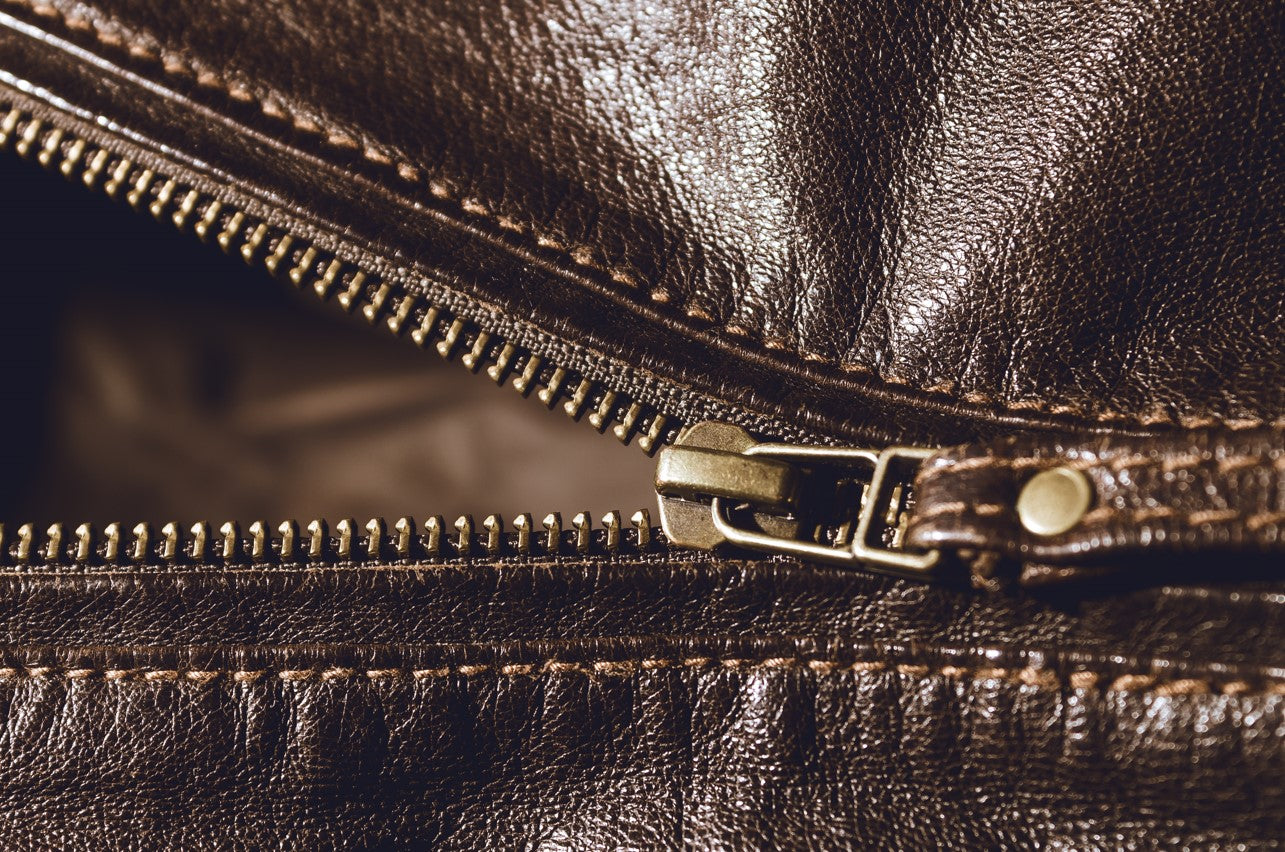
Some leather jackets feature zippers, snap closures, buckle straps, or decorative embellishments at the cuffs. These design elements add visual interest and sometimes functional adjustability to sleeve openings. However, they also complicate shortening procedures significantly. If your jacket incorporates heavy hardware or detailed trim near the cuffs, altering the sleeves requires carefully removing these elements, shortening the leather, then reinstalling everything precisely where it belongs. This extra work increases both complexity and cost considerably.
Jackets with quilted padding at the cuffs or double-stitched decorative seams present similar challenges. The tailor must maintain these design elements' visual integrity while removing length from the sleeve, requiring additional skill and time compared to simple, unadorned sleeve constructions.
Interior Lining Considerations
Most quality leather jackets include interior linings made from polyester, silk, rayon, or other synthetic fabrics. These linings provide comfort against your skin, add warmth, and help the jacket slide on and off smoothly over other clothing. However, they also add complexity to sleeve alterations.
Professional tailors must carefully detach the lining from inside the sleeve before trimming the leather exterior, then shorten the lining material proportionally and reattach everything securely. Jackets featuring multiple lining layers or substantial insulation—common in colder states like Minnesota, Wisconsin, or Colorado where leather jackets serve as genuine winter outerwear—require even more meticulous work during this process.
Understanding your jacket's lining situation helps set realistic expectations about timeframe and cost when you consult with alteration specialists.
Leather Type and Texture
Different leather varieties behave distinctly during alteration processes, affecting both feasibility and difficulty level. Soft lambskin leather, prized for its buttery texture and luxurious feel, proves relatively easy for experienced tailors to work with. The material cuts cleanly, handles well during sewing, and generally cooperates throughout the alteration process.
Tough cowhide leather, favored for motorcycle jackets due to its durability and protective qualities, presents more substantial challenges. The thickness and density require specialized heavy-duty equipment and considerable physical strength to cut and sew accurately. Not every tailor possesses the necessary tools or experience for thick cowhide modifications.
Suede, which technically represents leather with the surface napped to create its distinctive texture, poses its own unique challenges. The material shows handling marks more readily than smooth leather, requires particular care during cutting to maintain clean edges, and demands specialized finishing techniques to blend alterations seamlessly with unmodified sections.
Before committing to alterations, reputable tailors will assess your specific leather type to determine whether they can confidently complete the work to acceptable quality standards.
Amount of Length Reduction
Interestingly, the amount you want removed significantly impacts alteration feasibility. If you need only a quarter inch or half inch shortened, many tailors may actually decline the job. These minimal adjustments prove extremely difficult on leather without disrupting the sleeve's natural drape and proportions. The risk of visible alteration marks or compromised appearance often outweighs potential benefits for such small changes.
However, removing a full inch or more typically presents more manageable scenarios. Larger alterations allow tailors to work with comfortable margins, making clean cuts and secure seams that blend naturally with the jacket's original construction. Most professionals feel confident accepting projects requiring one to three inches of sleeve reduction.
Order your Customized Leather Jacket now from the experts of Cuir Jackets USA!
Where to Get Your Leather Jacket Sleeves Shortened in 2026?
Fortunately, Americans in 2026 enjoy numerous options for professional leather alteration services, regardless of whether you live in major metropolitan areas or smaller communities throughout the country.
Local Tailors Specializing in Leather
Many neighborhood tailors now advertise leather services as distinct specialties within their broader alteration offerings. These professionals have invested in specialized equipment and training specifically for leather work, understanding the unique requirements this material demands.
Finding these specialists has become remarkably easy through modern technology. Platforms like Yelp, Google Reviews, and even TikTok serve as discovery tools where local artisans showcase their work, share before-and-after transformations, and accumulate verified customer reviews. Searching terms like "leather jacket alterations near me" or "leather tailor [your city]" typically reveals several qualified options within reasonable driving distance.
Don't hesitate to call ahead, describe your specific needs, and ask about the tailor's experience with leather sleeve alterations. Reputable professionals will happily discuss their process, show examples of previous work, and provide upfront cost estimates before you commit.
Luxury Alteration Boutiques
Fashion capitals including New York City, Chicago, Los Angeles, San Francisco, and Miami host high-end alteration boutiques offering premium craftsmanship for designer and luxury leather jackets. These specialized shops often maintain relationships with major fashion brands, sometimes handling alterations for items purchased through those brands' retail locations.
Luxury boutiques typically employ highly experienced leather specialists who work exclusively with premium garments. They utilize cutting-edge technology including digital body scanning tools, computer-aided pattern making, and precision machinery ensuring alterations meet exacting quality standards. The resulting work often proves indistinguishable from original factory construction.
Naturally, this expertise commands premium pricing. Expect to pay significantly more at luxury boutiques compared to neighborhood tailors. However, for particularly expensive or sentimentally valuable jackets, the investment in top-tier alteration services provides peace of mind that your garment receives appropriate care and attention.
Mail-In Online Tailoring Services
Perhaps the most significant development in 2026's alteration landscape involves the explosion of mail-in tailoring services specifically designed for leather work. These innovative companies have solved the geographical challenge that previously prevented people in smaller communities from accessing specialized leather expertise.
The process typically works quite smoothly. You visit the company's website, describe your alteration needs, and book a virtual consultation via video chat. During this consultation, specialists guide you through measuring your jacket and yourself, often using smartphone apps that ensure accuracy. You then ship your jacket to the company's workshop using provided prepaid shipping materials, and professionals complete the alteration using your specifications. Within a week or so, your modified jacket returns to your door, perfectly tailored to your measurements.
Companies like ThreadForm, FitRight Leather Co., and StitchX have built strong reputations for reliable service, transparent pricing, and satisfaction guarantees. User-friendly platforms make the entire process surprisingly straightforward, even for people who initially feel skeptical about mailing expensive jackets to strangers.
This option particularly benefits people living in areas without local leather specialists, those with mobility challenges making in-person appointments difficult, or anyone simply preferring the convenience of handling everything from home.
What to Expect During the Alteration Process
Understanding the typical sleeve shortening procedure helps set realistic expectations and prepares you to make informed decisions when consulting with tailors. While specific techniques vary somewhat between professionals, the fundamental process remains fairly consistent.
The initial consultation represents your opportunity to clearly communicate your vision and understand the tailor's capabilities. The specialist will thoroughly examine your jacket, assessing construction details, identifying potential complications, and discussing exactly how much length you want removed. In 2026, this consultation increasingly involves digital technology—body scanning apps, 3D measurement tools, or augmented reality visualization helping you see how different sleeve lengths would actually look before any permanent changes occur.
For remote consultations with mail-in services, you'll likely take photographs or videos showing the jacket from multiple angles while wearing it, allowing specialists to assess fit and understand your concerns despite the physical distance.
Once you agree to proceed, the tailor marks the sleeve using chalk, washable marker, or special tailor's soap indicating exactly where cuts will be made. For in-person alterations, you'll typically try on the jacket during this marking phase, ensuring the planned length feels right before proceeding. Some tailors pin the excess fabric up temporarily, allowing you to wear the jacket and move naturally to confirm the new length will work practically for your needs.
The actual alteration begins by carefully removing the lining from inside the sleeve. This delicate step requires patience and precision to avoid tearing the lining material or damaging its attachment points to the jacket's body. Once the lining is safely detached, the tailor can access the leather sleeve's raw edge.
Using specialized cutting tools—often heavy-duty shears or rotary cutters designed specifically for leather—the professional trims the sleeve to the marked length. Clean, straight cuts prove essential, as leather doesn't forgive jagged or uneven edges like woven fabrics might. Experience and proper equipment make enormous differences in achieving professional results during this critical step.
After trimming the leather, the tailor uses industrial sewing machines capable of penetrating leather's thickness to create new seams. Depending on your jacket's original construction, this might involve topstitching visible on the exterior, concealed seams hidden inside the sleeve, or combination techniques maintaining visual continuity with the jacket's existing stitching patterns.
The lining then receives corresponding length reduction and gets carefully reattached inside the shortened sleeve. Tailors take particular care ensuring the lining doesn't pull too tight or bunch awkwardly, which would create uncomfortable fit or visible distortion.
Finally, any exterior detailing—zippers, snaps, buckles, decorative stitching—gets reinstalled in appropriate positions on the shortened sleeves. This finishing work requires meticulous attention to detail, ensuring these elements appear exactly as they did originally, just on shorter sleeves.
The complete process typically requires three to seven business days, though timeframes vary based on the tailor's current workload and your jacket's complexity. Some shops offer expedited same-day or next-day service for additional fees, which can be valuable if you need the jacket for an imminent event or travel.
Can You Hem a Leather Jacket? Understanding Cost Considerations
Naturally, cost represents a significant factor when deciding whether to pursue sleeve alterations. Leather work commands premium pricing compared to alterations on conventional fabrics, reflecting the specialized skills, equipment, and time required.
Basic sleeve shortening on relatively simple leather jackets typically costs between seventy-five and one hundred fifty dollars in most American cities. This baseline assumes straightforward construction without complex hardware, single-layer lining, and moderate leather thickness.
More complex alterations involving multiple decorative elements, heavy-duty cowhide, or intricate lining systems can easily reach two hundred to three hundred fifty dollars or more. Luxury boutiques in major fashion cities may charge even higher rates, particularly for designer jackets requiring precise matching of existing construction techniques.
Several factors influence final pricing. Jackets with zippered cuffs, quilted detailing, or snap closures require additional labor for hardware removal and reinstallation, increasing costs accordingly. Thicker leather demands more powerful equipment and physical effort, justifying higher fees. Multiple lining layers or insulation multiply the time investment substantially.
When evaluating whether the expense makes sense, consider your jacket's original value and your attachment to it. For inexpensive jackets purchased for under one hundred dollars, spending one hundred fifty dollars on alterations might feel economically questionable. You could potentially find a better-fitting jacket for similar total investment.
However, for high-quality leather jackets costing several hundred dollars or more, alteration expenses represent reasonable investments in achieving perfect fit. Similarly, jackets with sentimental value—perhaps gifts from loved ones, vintage finds with unique character, or pieces associated with important memories—justify alteration costs regardless of monetary value.
The sustainability angle also deserves consideration. In 2026's increasingly eco-conscious fashion landscape, altering existing garments rather than discarding and replacing them represents environmentally responsible behavior. Leather production carries substantial environmental impacts, so maximizing the lifespan and usability of leather items you already own aligns with sustainable values many consumers now prioritize.
Leather Jacket Sleeves Too Long? Professional Tips for Success
If you've decided to pursue sleeve shortening, following these professional recommendations helps ensure optimal results and protects your investment.
Always seek leather specialists rather than general tailors. While many tailors competently handle conventional fabrics, leather requires distinct expertise most generalists simply don't possess. The material's unforgiving nature means mistakes often cannot be corrected, potentially ruining expensive garments. Don't risk your jacket with someone lacking specific leather experience, regardless of how skilled they might be with other materials.
Bring or wear items you typically pair with your leather jacket to your fitting appointment. If you usually wear gloves, thick watches, or layer hoodies underneath, these items affect optimal sleeve length. Bringing them allows the tailor to factor in these real-world wearing conditions when determining where to shorten the sleeves. Sleeve length that looks perfect over bare arms might feel too short once you add your usual accessories or layers.
Resist DIY temptations despite the abundance of alteration tutorials available online. While many clothing alterations suit ambitious home sewers, leather definitively does not fall into that category for most people. The specialized tools required, the material's intolerance for errors, and the complexity of properly finishing seams and reattaching linings all demand professional expertise. Mistakes prove costly and usually irreversible, potentially ruining jackets worth hundreds or thousands of dollars. Save your DIY energy for more forgiving projects.
Request a mock pinning before the tailor makes any permanent cuts. Reputable professionals will pin up the excess sleeve length temporarily, allowing you to wear the jacket and move naturally while seeing and feeling exactly how the shortened length will work. This preview opportunity lets you visually approve the proportions and confirm comfort before irreversible alterations begin. Don't feel shy about asking for adjustments during this phase—better to get it right during pinning than discover issues after cutting.
Ask about the tailor's specific process and experience with similar projects. Don't hesitate to request viewing previous work examples or speaking with past customers if you feel uncertain. Trustworthy professionals welcome these questions and understand that leather alterations represent significant investments deserving careful consideration.
Our Affordable Imperium Luxe Jackets have just launched! Visit our online store before our stock ends!
Making Your Decision: Is Sleeve Shortening Worth It?
Returning to the fundamental question: should you shorten your leather jacket sleeves? The answer depends on your specific circumstances, but often leans toward yes when certain conditions apply.
If your leather jacket fits beautifully across your shoulders, chest, and torso while only the sleeves present problems, alteration makes excellent sense. Achieving that elusive perfect fit everywhere except sleeve length is actually quite fortunate—modifying sleeves represents one of the more straightforward leather alterations compared to adjusting body dimensions or shoulder widths.
When your jacket represents significant monetary investment or holds sentimental value, the alteration cost typically justifies protecting that investment. A three-hundred-dollar jacket becomes a four-hundred-fifty-dollar perfectly fitting jacket rather than a three-hundred-dollar piece you rarely wear because the fit frustrates you.
For individuals with body proportions that consistently differ from standard sizing—perhaps you have shorter arms relative to your torso, or your build simply doesn't match typical pattern sizing—learning to work with tailors becomes an essential skill for building a wardrobe that actually fits your body rather than theoretical average bodies.
The eco-conscious angle also supports alteration decisions. Choosing to modify and continue wearing existing garments rather than perpetually chasing "perfect" off-the-rack fit reduces consumption, minimizes waste, and extends the lifespan of items already requiring environmental resources to produce. This approach aligns with growing awareness about fashion's environmental impacts and personal responsibility for reducing unnecessary consumption.
Custom tailoring also ensures your leather jacket genuinely feels like an extension of your personal style rather than simply something pulled from retail racks. That sense of ownership and personalization carries psychological value beyond mere practical fit considerations, potentially making you more likely to reach for and enjoy wearing the jacket regularly.
Final Perspective: Embracing Personalized Leather in 2026!
Yes, you can absolutely shorten leather jacket sleeves in the USA in 2026—and you should seriously consider doing so if improper length prevents you from enjoying an otherwise excellent jacket. The combination of skilled professionals, advanced tailoring technology, and convenient service options means you have never enjoyed better circumstances for customizing your leather outerwear.
Modern alteration processes deliver reliable results that preserve your jacket's original quality and aesthetic while solving practical fit problems. Whether you choose neighborhood leather specialists, luxury boutiques, or innovative mail-in services, you have access to expertise that can transform frustratingly ill-fitting sleeves into perfectly proportioned elements completing your jacket's overall excellence.
In our current era where individuality and craftsmanship are experiencing powerful resurgence, altering your leather jacket sleeves transcends mere practicality. It represents a fashion-forward commitment to personal fit, thoughtful consumption, and refusing to settle for "close enough" when "exactly right" is achievable. This attention to detail, this willingness to invest in perfect fit, distinguishes people who truly understand style from those simply following trends without personal investment.
Your leather jacket deserves to fit as beautifully as it looks, and sleeve alterations provide the path to achieving that ideal. The improved comfort, enhanced appearance, and satisfaction of wearing a jacket tailored specifically for your body create value that extends far beyond the alteration cost, delivering returns every single time you slip into your perfectly fitted leather jacket.
FAQs: So, Can Leather Jacket Sleeves Be Shortened? Absolutely!
1. Can leather jacket sleeves be shortened for men?
Yes, men's leather jacket sleeves can be professionally shortened by experienced tailors across the USA. Adjustments are made from the cuff or shoulder depending on design, helping jackets with long sleeves achieve a cleaner fit while maintaining comfort and style.
2. Can women alter leather jacket sleeves that are too long?
Women can have leather jacket sleeves shortened by specialists to improve fit and proportion. Tailors carefully reshape cuffs or sleeves, making jackets bought online or on sale fit better without looking oversized while preserving the original fashionable design.
3. How much does it cost to shorten leather jacket sleeves in the USA?
In most U.S. cities, shortening leather jacket sleeves usually costs between $40 and $120 depending on zipper details, lining complexity, and tailor expertise. Major cities like Los Angeles or New York may charge higher rates due to demand for specialized leather alteration services.
4. Can leather jacket sleeves be hemmed instead of fully shortened?
Sleeves can sometimes be hemmed if the design is simple, but jackets with zippers or cuff details usually require full sleeve adjustment. Professional tailoring ensures fashion features stay intact while correcting sleeve length for better comfort and appearance.
5. Do sleeve alterations affect men’s leather jacket style?
Proper sleeve shortening improves jacket proportions for men, making outfits appear sharper and more tailored. Correct sleeve length also improves layering comfort during fall and winter seasons in colder U.S. regions where leather jackets are worn frequently.
6. Will altering sleeves ruin a women’s leather jacket?
No, professional alterations maintain the jacket’s structure while improving fit. Skilled tailors handle lining and stitching carefully so women’s jackets keep their original design while offering better comfort, especially when sleeve lengths vary in online purchases.
7. Is sleeve shortening common for online leather jacket purchases?
Yes, many shoppers in the U.S. shorten sleeves after buying leather jackets online since sizing varies between brands. Local tailoring services allow customers to purchase confidently online while ensuring final sleeve length fits perfectly after delivery.
8. Are sleeve alterations recommended before winter in colder states?
Yes, adjusting sleeve length before winter improves comfort when layering sweaters in colder states like Michigan or Massachusetts. Correct sleeve length keeps wrists protected without restricting movement, making jackets both stylish and functional for cold-weather daily use.
9. Can men shorten leather jacket sleeves with zipper cuffs?
Yes, sleeves with zipper cuffs can be shortened, but this requires advanced tailoring because zippers must be carefully removed and reattached. Professional leather specialists ensure original styling remains intact while improving sleeve length and overall jacket fit.
10. What is the ideal sleeve length for women’s leather jackets?
Ideal sleeve length ends around the wrist bone, allowing light layering while maintaining flattering proportions. Many women adjust sleeves after purchase, especially when ordering online where sizing differences often cause sleeves to be longer than expected.
11. Does sleeve shortening increase leather jacket resale value?
A properly fitted jacket may attract resale buyers since tailored pieces feel more comfortable. However, excessive alterations may reduce size flexibility, so moderate sleeve shortening generally helps resale interest across popular U.S. fashion resale platforms.
12. Is tailoring leather jackets worth it compared to buying a new one?
Yes, tailoring is usually more affordable than replacing a quality leather jacket. Sleeve adjustments extend wearability and comfort, making it a smart option for shoppers investing in durable outerwear pieces intended for long-term seasonal fashion use.


Leave a comment
This site is protected by hCaptcha and the hCaptcha Privacy Policy and Terms of Service apply.