

Do Leather Jackets Keep You Warm in the USA in 2026? A Modern Guide
Leather jackets have long held a special place in American fashion culture. From the rebellious icons of the 1950s to the sleek, modern styles on city streets today, leather jackets are not just a statement of style—they are a functional wardrobe staple. But as the winter season approaches and temperatures drop across the USA, many fashion enthusiasts wonder: Do leather jackets really keep you warm in 2026? The answer isn’t as straightforward as you might think, because warmth in a leather jacket depends on several factors, including material, design, lining, and climate. Explore best Leather Jackets in USA at Cuir Jackets.
1. Leather as a Natural Insulator
Leather is a natural material derived from animal hides, most commonly cowhide, lambskin, and goatskin. These hides have a dense structure that provides a certain level of wind resistance and insulation. Unlike thin fabrics like cotton or linen, leather doesn’t allow air to pass through easily, which helps in keeping the body relatively warm.
In 2026, technological advancements have improved the processing of leather, making it even more efficient at thermal regulation. Modern leather jackets in the USA are often treated to maintain suppleness while also enhancing their ability to resist cold winds and light rain. This makes them an attractive option for mild to moderately cold climates.
2. The Importance of Jacket Lining
While leather itself can block wind, it is rarely sufficient on its own to provide full warmth in harsh winter conditions. This is where the lining of the jacket comes into play. Jackets with wool, fleece, or quilted linings provide additional insulation, trapping body heat more effectively than leather alone.
In 2026, many American brands offer jackets with detachable thermal linings. This innovation allows wearers to adjust their warmth according to seasonal changes. For instance, a leather jacket with a removable shearling lining can be worn in the icy winters of the Midwest or simply as a stylish outer layer during a mild spring evening in California.
3. Leather Jacket Styles and Warmth
Not all leather jackets are created equal when it comes to warmth. The style and cut significantly influence how well the jacket retains heat:
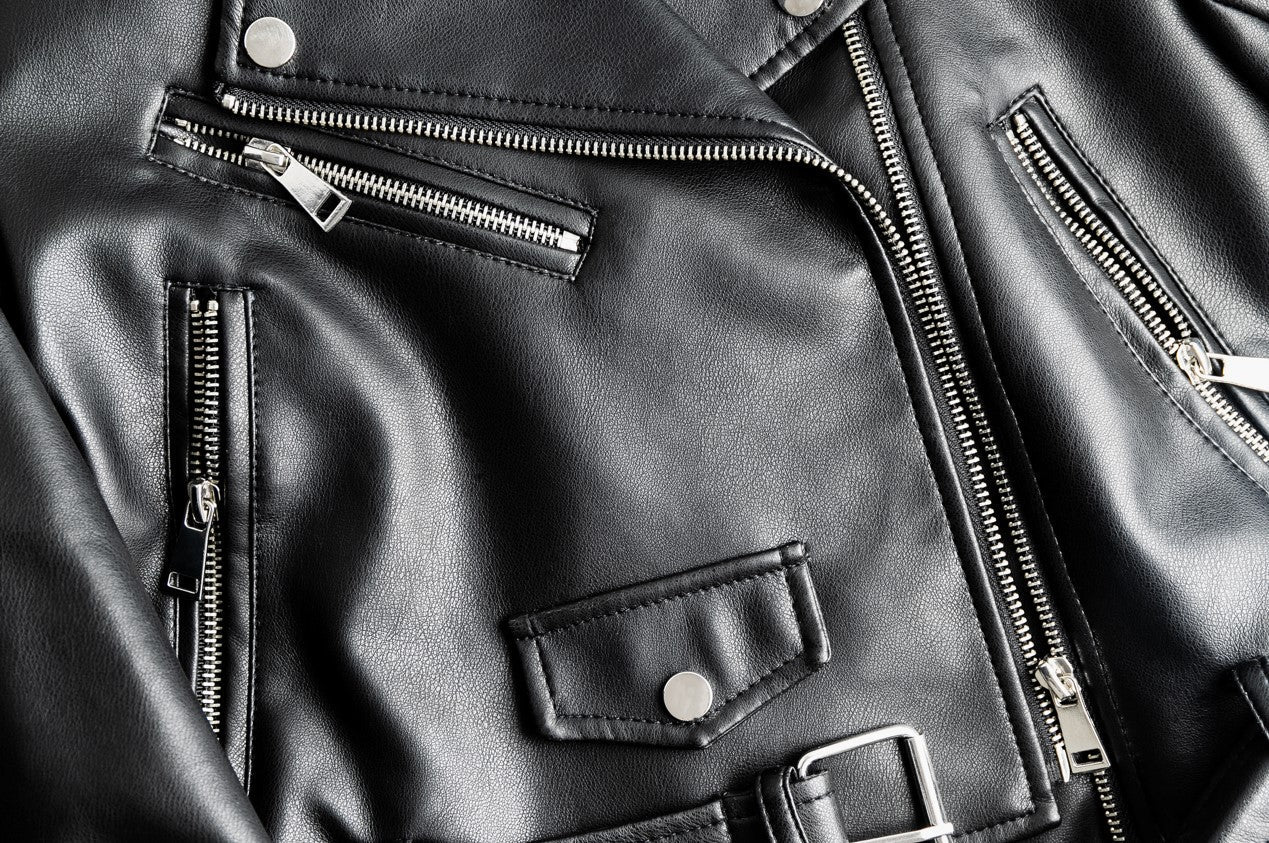
- Biker jackets: Traditionally shorter and fitted, biker jackets are excellent for style but may leave the lower torso exposed to cold air. Layering with a sweater or thermal wear is recommended.
- Bomber jackets: With elastic cuffs, waistbands, and often padded linings, bomber jackets provide better warmth and are a favorite in northern states like New York or Minnesota.
- Trench or long leather coats: These extend beyond the hips, offering more coverage and heat retention, ideal for harsh winter days in places like Chicago or Denver.
In 2026, designers are experimenting with hybrid styles—blending the classic leather silhouette with insulated panels or stretchable thermal fabrics—making leather jackets both fashionable and functional in colder climates.
4. Layering: The Key to Maximum Warmth
Even the warmest leather jacket has its limitations in extremely low temperatures. American winters, especially in the northern and midwestern states, can drop below 20°F (-6°C), where a leather jacket alone may not suffice. Layering is crucial.
A typical winter outfit might include:
- A thermal base layer to trap body heat.
- A wool or cashmere sweater for mid-layer insulation.
- Your leather jacket as the outer shell to block wind and light precipitation.
This combination allows the leather jacket to shine as both a style piece and a functional barrier against cold weather.
5. Leather Jacket Maintenance and Warmth
How you care for your leather jacket can affect its warmth. In 2026, advanced leather care products are available across the USA that maintain flexibility and water resistance. Dry or cracked leather loses its insulating properties, as air can pass through tiny fissures, reducing warmth. Regular conditioning with natural oils or specialized leather conditioners ensures the jacket stays soft, supple, and capable of retaining body heat efficiently.
6. Climate Considerations Across the USA
The effectiveness of a leather jacket in keeping you warm largely depends on where you are. For example:
- Mild winters (California, Florida, Texas): A lighter leather jacket with minimal lining is sufficient. It provides comfort without overheating.
- Moderate winters (New York, Pennsylvania, Oregon): A lined jacket, such as a fleece or quilted interior, becomes essential. Windproofing and layering make a big difference here.
- Harsh winters (Minnesota, North Dakota, Alaska): Leather jackets alone might not be enough. In these regions, pairing a leather jacket with high-quality winter wear like insulated parkas or layering under heavier coats is recommended.
7. Modern Innovations in Leather Jackets
The year 2026 brings exciting developments in jacket technology. American designers are incorporating synthetic insulation like Thinsulate or PrimaLoft into leather jackets, combining style with high-performance warmth. Some jackets now feature heated panels powered by rechargeable batteries, allowing riders and outdoor enthusiasts to regulate their body temperature in extreme cold.
Moreover, water-resistant treatments make leather jackets suitable for snowy or rainy winter days, preventing cold moisture from seeping through—a common issue with untreated leather.
8. Style Meets Function
Leather jackets are no longer just about aesthetics. In 2026, they are engineered for comfort, practicality, and warmth. They offer an ideal balance between casual style and winter functionality, making them a go-to option for American professionals, bikers, and city dwellers alike.
Pairing warmth with style has also become easier: vibrant colors, innovative cuts, and functional features like hidden pockets and adjustable cuffs allow leather jackets to be both practical and trendy. You no longer have to compromise fashion for warmth—or vice versa.
Conclusion
So, do leather jackets keep you warm in the USA in 2026? The answer is yes, but with conditions. A leather jacket alone may suffice in mild to moderate climates, but in harsher winter conditions, additional layers or advanced insulation are necessary. Modern innovations in jacket lining, material treatment, and hybrid designs have significantly enhanced the warmth factor of leather jackets, making them an indispensable part of a stylish American winter wardrobe.
Whether you’re navigating the brisk streets of Boston, riding a motorcycle through the Rockies, or just enjoying a winter evening in Los Angeles, a well-chosen leather jacket in 2026 can provide both style and warmth—proving that this classic piece remains as relevant as ever in America’s ever-changing fashion landscape.



Leave a comment
This site is protected by hCaptcha and the hCaptcha Privacy Policy and Terms of Service apply.