
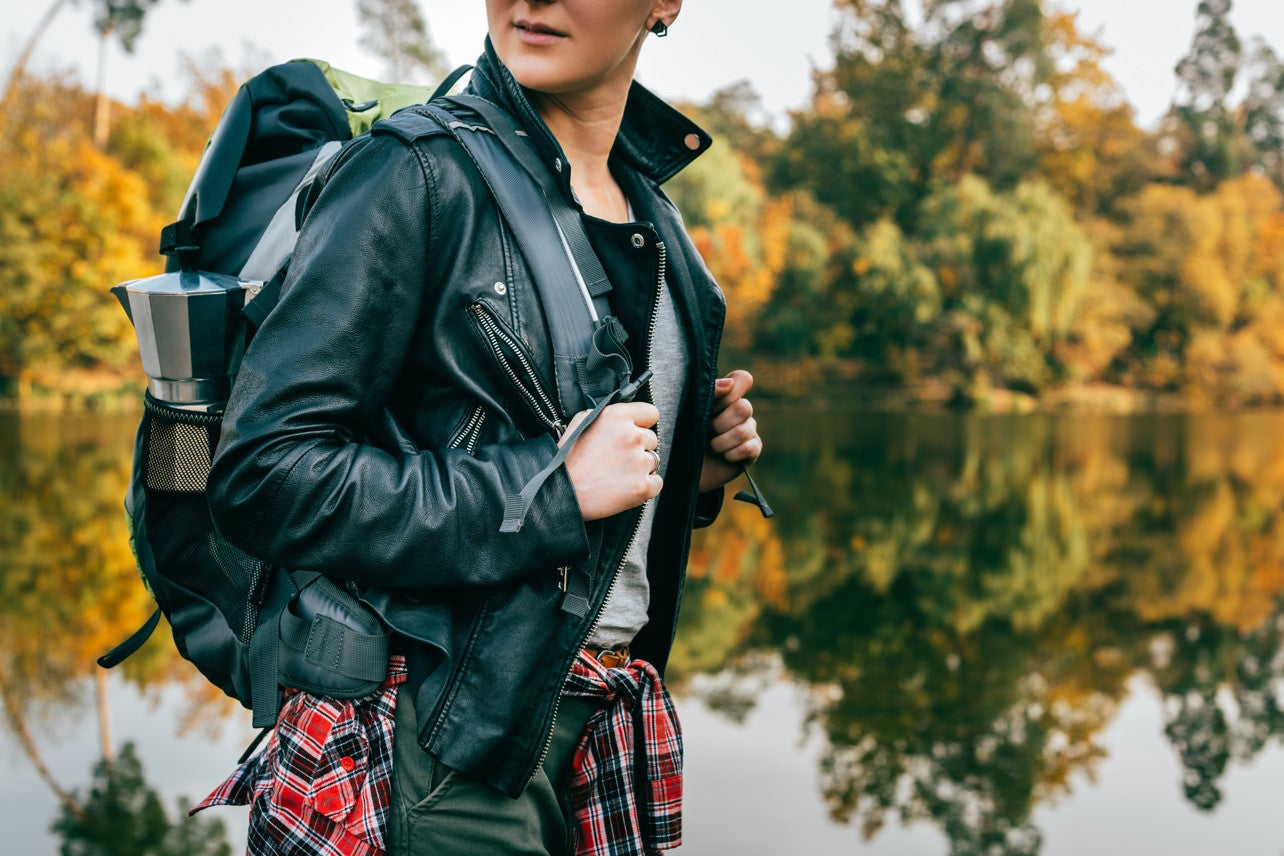
What to Wear on a Winter Hike in the USA in 2026: Staying Warm, Safe, and Stylish
Winter hiking in the USA is a breathtaking experience. From snow-capped mountains in Colorado to frost-dusted trails in New England, winter landscapes transform familiar paths into a serene wonderland. But as magical as it is, winter hiking also brings challenges: freezing temperatures, icy paths, and unpredictable weather. Choosing the right clothing is essential for comfort, safety, and even a touch of style. And in 2026, fashion-forward hikers are finding clever ways to incorporate leather jackets into their winter trekking outfits—combining practicality with style. Explore best Leather Jackets in USA at Cuir Jackets.
Layering: The Foundation of Winter Hiking
The key to any winter hike is layering. Rather than wearing one thick coat, layering allows you to adjust your clothing based on activity level and weather conditions.
- Base Layer: This layer should wick moisture away from your skin. Think thermal leggings or merino wool long-sleeve tops. Avoid cotton, which traps sweat and can make you cold.
- Mid Layer: The mid layer provides insulation. Fleece jackets or quilted vests are popular options, trapping heat close to your body while remaining lightweight.
- Outer Layer: This layer protects against wind, snow, and rain. Traditionally, hikers wear waterproof shell jackets. However, for moderate winter hikes in dry conditions, a lined leather jacket can be a stylish and functional choice.
Leather Jackets on the Trail
You might not immediately think of a leather jacket as hiking gear, but 2026 brings a trend in performance-inspired leather jackets designed for outdoor activities. These jackets combine wind resistance, durable leather, and insulated linings that keep you warm on crisp winter mornings. Pairing a leather jacket with technical base and mid-layers ensures both warmth and mobility. Look for jackets with fleece or quilted interiors, adjustable cuffs, and stretch panels for hiking comfort.
A dark brown or black leather jacket can also double as a casual layer after your hike, making it versatile for après-hike activities like grabbing a coffee or exploring a small town near the trailhead.
Bottom Layers and Footwear
For your legs, thermal leggings or insulated hiking pants are essential. In very cold climates, consider layering leggings under waterproof hiking pants. Some leather-inspired pants, now available in 2026, are designed for outdoor wear and resist wind while remaining breathable—a chic yet practical choice.
Footwear is equally important. Waterproof hiking boots with thermal socks are non-negotiable. Insulated boots prevent frostbite, while good grip prevents slips on icy patches. Consider gaiters if hiking in deep snow—they protect both your boots and pants from moisture.
Accessories: Hats, Gloves, and Scarves
Keeping extremities warm is vital. In 2026, hikers are combining traditional warmth with style:
- Gloves: Leather gloves lined with fleece or Thinsulate are both fashionable and functional. They protect hands from cold while allowing dexterity for adjusting trekking poles or handling gear.
- Hats: Wool or insulated caps that cover your ears are a must. Some hikers pair a snug beanie under a hood from their leather jacket for maximum warmth.
- Scarves and Neck Gaiters: A neck gaiter or scarf adds warmth and can be pulled over your face during windy conditions. Choose moisture-wicking fabrics to avoid dampness from breath condensation.
Footing and Safety
Winter hiking often means icy trails and uneven terrain. Trekking poles provide stability, and microspikes or crampons can prevent slips. Footwear with deep lugs grips snow and ice more effectively.
Consider layering a lightweight down vest under a leather jacket—not just for warmth but also for improved mobility. Leather jackets allow for wind protection without bulk, meaning you can move freely on rugged terrain.
Color and Visibility
While black and brown leather jackets are stylish, winter hiking demands a bit of visibility. In low-light or snowy conditions, adding reflective strips or bright-colored accessories—like hats or gaiters—ensures you remain visible. In 2026, many outdoor-inspired leather jackets come with subtle reflective detailing, blending fashion and safety.
Keeping Dry and Comfortable
Moisture management is crucial. Even the best leather jacket can become uncomfortable if sweat or snow penetrates it. This is why layering with a moisture-wicking base layer and breathable mid-layer is essential. Some modern leather jackets are now treated with water-resistant coatings, perfect for light snow or misty conditions.
Also, avoid over-layering to the point of sweating excessively. Regulate your temperature with zippers and vents, and remove layers during steep climbs to avoid overheating.
Après-Hike Style
One of the unique advantages of incorporating leather jackets into your winter hiking wardrobe is seamless transition to après-hike style. After a long trek, whether stopping at a cozy mountain lodge or a local café, a leather jacket instantly elevates your look. Pair it with casual jeans, thermal tops, and insulated boots, and you’re ready to relax without changing outfits.
Additional Tips for a Safe Winter Hike
- Check the weather forecast before heading out. Winter conditions in the USA can shift rapidly.
- Pack emergency layers: Lightweight down jackets or packable wool sweaters can make the difference if temperatures drop unexpectedly.
- Hydration is key: Cold weather can make you feel less thirsty, but your body still needs water. Carry an insulated bottle to prevent freezing.
- Plan your route and let someone know your plan, especially in remote areas.
- Sunglasses and sunscreen: Snow reflects UV rays, making eye and skin protection essential.
Conclusion
Winter hiking in the USA in 2026 blends adventure, comfort, and style. By focusing on smart layering, choosing functional and fashionable pieces, and integrating insulated leather jackets into your ensemble, you can enjoy trails safely while looking stylish. From base layers that wick moisture to leather jackets that provide wind resistance, modern winter hiking outfits now combine practicality with a touch of flair.
Whether you’re tackling the Rockies, exploring New England trails, or enjoying the Sierra Nevada, your winter hiking wardrobe can be both functional and fashionable. So, embrace the layering system, add a versatile leather jacket, and prepare for a winter hike that’s as comfortable as it is iconic.
With the right clothing choices, your winter hikes in 2026 will not only be a safe and warm adventure but also a stylish one that merges outdoor functionality with American fashion trends.




Leave a comment
This site is protected by hCaptcha and the hCaptcha Privacy Policy and Terms of Service apply.