
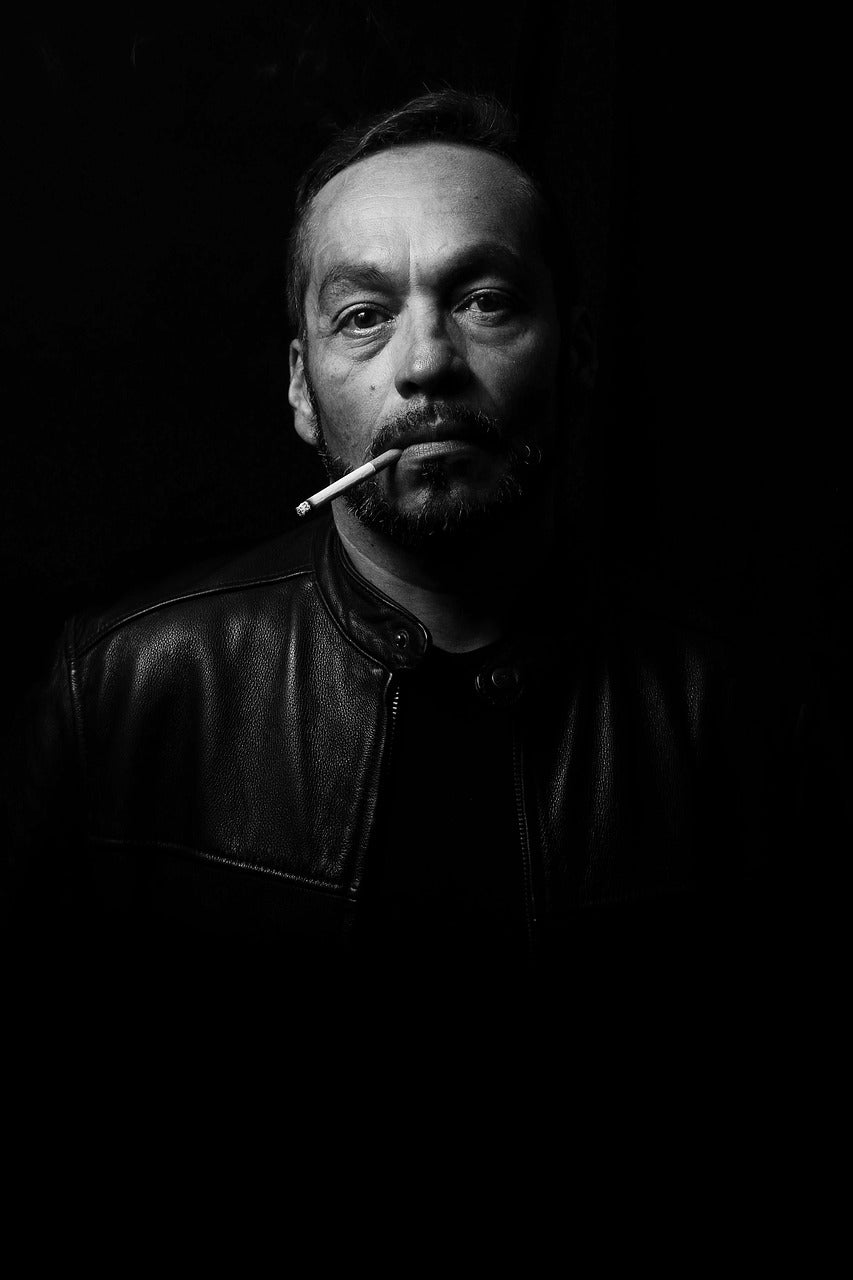
How to Style a Ripped Leather Jacket Without Overdoing It?
Look, I get it. You see a ripped leather jacket and think it looks incredible on the rack or in that photo online. Then you bring it home and suddenly you're staring at your closet wondering if you're about to look like you're trying way too hard. That worry? Totally normal, and honestly, it's a good sign because it means you're thinking about balance.
Here's the truth: a ripped leather jacket can be one of the coolest pieces you own, but only if you wear it right. The difference between looking effortlessly edgy and like you're starring in a bad music video from the early 2000s comes down to a few simple principles. Let me walk you through exactly how to pull this off.
Understanding What Makes Ripped Leather Different
Before we dive into outfits, let's talk about why ripped leather requires a different approach than your regular jacket. A standard leather jacket already makes a statement on its own. It has history, it has attitude, it has that whole rebel-without-a-cause thing going on. Now add rips, tears, and distressed details to that foundation, and you're amplifying everything.
The distressing adds texture and visual interest that draws eyes immediately. Those intentional tears and frayed edges create movement and character that plain leather simply doesn't have. This means your jacket is already doing heavy lifting in the style department before you even think about what to wear with it.
Think of it like seasoning food. A little bit transforms a dish, but too much ruins everything. Your ripped leather jacket is already heavily seasoned, so everything else needs to be more subtle to create balance. That's the core principle we'll keep coming back to.
Check out our Best-Selling Leather Jacket Collection and find your favorite now!
The Foundation: Keeping Everything Else Simple
This is probably the single most important rule when working with distressed leather. Your jacket has enough going on, so your other pieces need to calm down and let it shine.
Start with basics that won't compete for attention. A plain white tee is your best friend here. Not a graphic tee with a giant logo, not something with patterns or wild colors—just a clean, well-fitting white shirt. This creates breathing room that lets people appreciate the jacket's details without their eyes getting overwhelmed.
Black jeans work incredibly well because they echo the typical color of leather jackets while staying neutral. The dark-on-dark combination feels cohesive without being boring, especially when the rips in your jacket add that textural contrast. Make sure those jeans fit properly though. Baggy, ill-fitting pants will make your whole outfit look sloppy, which completely undermines the cool factor you're going for.
Dark wash denim offers another solid option. Going with indigo or darker blue creates nice contrast against black leather while still maintaining that casual, approachable vibe. Lighter wash jeans can work too, but you need to be more careful because the contrast becomes stronger and you risk the outfit feeling too deliberate or costume-like.
Choosing the Right Footwear to Ground Your Look
Your shoes matter more than you might think when wearing a ripped leather jacket. They can either anchor your outfit in reality or send it careening into try-hard territory.
Classic sneakers keep things casual and accessible. Think clean white sneakers like Stan Smiths or Common Projects. These bring a modern, street-style feel that balances the edginess of the jacket. You're essentially saying "yeah, I've got this cool jacket, but I'm still just a regular person going about my day."
Black boots—whether they're Chelsea boots, combat boots, or simple lace-ups—amplify the rebellious vibe without overdoing it. Boots and leather jackets have been paired together forever because they share similar attitudes. The key is making sure your boots aren't overly decorated or flashy. You want solid, well-made boots that look like they could actually take some wear, not fashion boots covered in unnecessary buckles and zippers.
High-top sneakers fall somewhere in the middle. They add a bit more edge than low-tops while staying more casual than boots. Black or grey high-tops work particularly well, creating visual continuity with your jacket without exact matching.
Here's what to skip: overly technical running shoes with bright colors, dress shoes (the formality clash feels awkward), or sandals (just no). You want footwear that feels like it belongs in the same world as your ripped leather jacket.
Color Coordination Without Being Boring
Just because you're keeping things simple doesn't mean everything has to be black and white. You can absolutely introduce color in your leather jackets, but you need to do it strategically.
Earthy tones work beautifully with distressed leather. Olive green, rust, deep burgundy, or caramel brown all complement leather's natural, worn aesthetic. A rust-colored hoodie under your black ripped leather jacket, for example, adds warmth and personality without clashing with the jacket's edge.
Sticking with one accent color keeps your outfit feeling intentional rather than random. If you're wearing a grey tee, maybe your sneakers have grey accents too. This creates subtle cohesion that elevates your look from "threw this together" to "actually thought about this."
Monochrome outfits—all black or all grey with the jacket—can look incredibly sharp. The rips and distressing provide enough visual interest that you don't need color to keep things engaging. All black feels sleek and urban, while mixing shades of grey creates depth without being too bold.
What you want to avoid is introducing multiple bright colors or busy patterns. A ripped leather jacket with a Hawaiian shirt and plaid pants? That's a lot of competing elements fighting for attention, and nothing looks good when everything's shouting.
Explore our Custom Leather Jacket Designing Services now and add a little edge to your closet!
Layering Without Creating Bulk
Layering under a ripped leather jacket takes some thought because you don't want to look puffy or lose the jacket's silhouette.
A simple hoodie works great for casual situations. The hood poking out from your collar adds dimension and gives you options for different looks. You can wear the hood up for a more covered, mysterious vibe, or leave it down for something cleaner. Stick with solid colors and avoid hoodies with large graphics across the chest.
Thin sweaters or long-sleeve henleys create a refined casual look. This combination works well when you're aiming for something slightly more put-together than the tee-and-jeans approach. A charcoal henley under a black ripped leather jacket with dark jeans hits that sweet spot between casual and intentional.
Flannels can work, but here's where you need to be careful. The pattern in flannel adds visual complexity, and your jacket already has the rips adding texture. If you go this route, choose flannels with simpler, smaller patterns and muted colors. A subtle grey and black flannel works better than bright red buffalo plaid.
The thickness of your layers matters too. Chunky knit sweaters create too much bulk and hide the jacket's shape. You want layers that are relatively slim so the jacket can still drape properly and show off its details. Think thermal shirts, fitted hoodies, or lightweight sweaters rather than heavy cable knits.
Accessorizing: When Less Actually Is More
This is where a lot of people mess up. They think because the jacket is edgy, they need to pile on edgy accessories. Wrong.
A simple watch or a single ring is plenty. You're not trying to look like you raided a jewelry store or dressed up for a themed party. Clean, minimal accessories show restraint and confidence—like you don't need to prove anything to anyone.
Sunglasses can work well, especially classic styles like aviators or wayfarers. They add a cool factor without being overly trendy or costume-like. Just make sure they fit your face shape properly because ill-fitting sunglasses look awkward no matter what you're wearing.
Beanies during colder months make sense practically and stylistically. A simple black or grey beanie adds a casual, street-style element without competing with your jacket. Skip beanies with large logos or pom-poms—you want something understated.
What to leave at home: multiple chains, studded bracelets, excessive rings, bandanas, and anything that feels like you're playing dress-up as a rock star. The jacket provides enough edge on its own.
Adjusting for Different Occasions
A ripped leather jacket is inherently casual, but you can adjust your approach based on where you're going.
For hanging out with friends, running errands, or grabbing coffee, go full casual. White tee, black jeans, sneakers—done. You look put-together without appearing like you tried too hard. This is the sweet spot for everyday wear where the jacket adds personality to an otherwise basic outfit.
Dinner dates or casual social events call for a slightly elevated approach. Swap the tee for a Henley or a plain button-down shirt (worn untucked and with sleeves rolled). Choose boots instead of sneakers. Maybe add dark chinos instead of jeans. You're still casual, but there's more thought behind it.
Concerts, bars, or nighttime activities give you permission to lean slightly more into the edge. Dark jeans, a fitted black tee or henley, boots, and maybe a simple chain necklace. The dim lighting and energetic atmosphere mean you can embrace the jacket's rebellious side more fully without it feeling out of place.
Skip the ripped leather jacket for formal events, job interviews, family gatherings with conservative relatives, or any situation where you need to present a polished, professional image. Know your audience and the context. There's a time and place for everything.
Don't Forget, Fit Is Everything!
No amount of good styling can save a poorly fitting jacket. This deserves its own section because it's that important.
Your ripped leather jacket should fit comfortably in the shoulders without pulling or excess fabric bunching up. The shoulder seam should sit right at the edge of your shoulder bone. Too tight and you look stuffed in there, too loose and you appear like you're wearing someone else's jacket.
Sleeve length matters more than people realize. The sleeves should hit right at your wrist bone when your arms are relaxed at your sides. Too long and they'll bunch up awkwardly, too short and you'll look like you've outgrown your jacket.
The body of the jacket should allow for a thin layer underneath without feeling restrictive. You should be able to move your arms, shrug your shoulders, and sit down comfortably. Leather stretches slightly over time, but if it feels uncomfortably tight from the start, size up.
Length-wise, most leather jackets should hit somewhere around your belt line or just slightly below. Longer jackets can work depending on the style, but they change the whole vibe and require different outfit considerations.
If your jacket doesn't fit properly, take it to a leather specialist for alterations. A good tailor who works with leather can adjust sleeves, take in the sides, or make other modifications that transform an okay fit into a perfect one. It's worth the investment.
Mixing Textures Thoughtfully
Leather already has strong texture, especially when it's ripped and distressed. Adding other textures strategically creates depth without chaos.
Soft cotton tees provide nice contrast against rough leather. The smooth, matte quality of cotton feels completely different from shiny or matte leather, which creates visual interest through opposition.
Denim works well because it shares leather's durable, workwear heritage. A denim shirt under a leather jacket brings that classic Americana vibe. Just make sure the denim is a different shade than your jeans to avoid the matchy-matchy Canadian tuxedo situation.
Lightweight knits add softness and warmth without competing. A thin merino wool sweater or a waffle-knit thermal brings texture that complements rather than fights with the leather.
What to be careful with: heavily textured or patterned fabrics like thick cable knits, busy prints, or shiny materials like satin. These create too much visual noise when combined with distressed leather.
Looking for a dope Biker Jacket at affordable rates? Well, Cuir Jackets got you a Surprise! Explore our Collection now!
Seasonal Styling Strategies
A ripped leather jacket isn't just for one season. You can work it year-round with the right approach.
During warmer months, wear it with just a tee and jeans. The rips actually provide a bit more ventilation than solid leather, making it slightly more bearable when temperatures rise. Roll up the sleeves for an even more casual, summery feel.
Fall is prime leather jacket season. This is when you can layer a bit more—add that hoodie or flannel underneath. The weather's perfect for leather because you get warmth without overheating. Pair it with boots and embrace the full autumn aesthetic.
Winter requires smarter layering. You might wear a thermal shirt, then a thin sweater, then your jacket. If it's really cold, you'll need something heavier over the jacket, which changes the whole look. Alternatively, save the ripped leather for milder winter days or indoor-heavy situations where you're not outside for extended periods.
Spring mirrors fall in terms of versatility. Lighter layers underneath work well, and you can pair the jacket with everything from jeans to chinos as the weather gets warmer.
Common Mistakes to Avoid When It Comes To Ripped Leather Jacket!
Let me save you from some fashion fails I've seen too many times.
Wearing too many distressed pieces together creates overkill. Ripped jacket plus ripped jeans plus worn-out shoes makes you look like you got in a fight with a cheese grater. Choose one distressed item per outfit, max.
Trying to match your jacket's exact shade of black with every other piece rarely works out. Blacks have different undertones, and stressing about perfect matching makes you look overly concerned with details that don't matter. As long as you're in the same general color family, you're fine.
Overthinking it paralyzes you into not wearing the jacket at all. Style should feel natural, not like you're solving a complex math problem. Start with the basics I've outlined, get comfortable, then experiment from there.
Buying a jacket covered in unnecessary additions—chains, studs, patches all over—limits your styling options severely. A cleaner ripped leather jacket with subtle distressing works with more outfits than one that looks like it belongs in a costume shop.
Creating Your Personal Formula, Perfect One For Sure!
Once you understand the principles, develop your own go-to combinations that work for your lifestyle and personal taste.
Maybe your formula is black jeans, white tee, and boots—boom, that's your ripped leather jacket outfit, and it works every time. Having a reliable base frees you up to experiment occasionally without feeling lost.
Pay attention to what gets compliments or makes you feel great when you wear it. Those are your winning combinations. Repeat them, build on them, let them evolve naturally.
Don't force pieces that don't feel like you just because they're "supposed" to work. If you hate boots, wear sneakers. If white tees aren't your thing, try grey. The guidelines exist to help, not to restrict.
In Conclusion, The Real Secret!
Want to know the actual secret to styling a ripped leather jacket without overdoing it? It's simpler than you think: treat it like the statement piece it is and build everything else around supporting it, not competing with it.
Your jacket already has personality, edge, and visual interest built in. You don't need to add more edge or try to match its energy with every other piece. Instead, you're creating a frame that lets the jacket shine.
Think of yourself as a curator putting together a gallery display. The ripped leather jacket is your main artwork. Everything else—your tee, your jeans, your shoes—they're the walls, the lighting, the space around the art. They should enhance and support without stealing focus.
When you approach it this way, styling becomes intuitive rather than stressful. You're not trying to create the most outrageous outfit possible. You're building something balanced where one standout piece gets the attention it deserves.
So grab that jacket, pair it with your best-fitting basics, and walk out the door. You've got this.
Frequently Asked Questions
What is the best way to style a ripped leather jacket for men?
The best way to style a ripped leather jacket for men is by keeping the rest of the outfit simple. Pair it with plain tees, slim jeans, and neutral boots to balance the edgy texture.
Can men wear a ripped leather jacket casually?
Yes, a ripped leather jacket works perfectly for casual outfits in cities like Los Angeles or Austin. Combine it with sneakers and fitted denim for a relaxed street style look.
Is a ripped leather jacket suitable for winter in cold states?
In colder states like New York or Illinois, layer your ripped leather jacket over hoodies or thermal sweaters. This keeps you warm while maintaining an edgy winter aesthetic.
How do you avoid looking overdone in a ripped leather jacket?
To avoid looking overdone, skip heavily distressed jeans or bold prints. Let the ripped leather jacket be the statement piece and keep other elements clean and structured.
Are ripped leather jackets still in style in the USA?
Ripped leather jackets remain popular in urban fashion scenes across the United States. They trend strongly in fall and spring seasons, especially in fashion forward states like California and New York.
How can women style a ripped leather jacket without looking too edgy?
Women can soften a ripped leather jacket by pairing it with fitted dresses, high waisted jeans, or ankle boots. This contrast creates a balanced outfit suitable for day or night outings.
Can women wear ripped leather jackets in spring?
Yes, ripped leather jackets are ideal for spring in states like Texas or Georgia. Lightweight layering over crop tops or blouses provides comfort during transitional weather.
What shoes go best with a ripped leather jacket for women?
Ankle boots, white sneakers, and heeled boots pair well with a ripped leather jacket. The key is choosing footwear that complements the edgy texture without overpowering the outfit.
Is a ripped leather jacket good for fall fashion?
A ripped leather jacket is a strong fall staple across the USA. In states with cooler evenings like Colorado or Washington, layering it with knitwear adds both warmth and style.
Can a ripped leather jacket work for semi formal occasions?
Yes, when styled carefully. Pairing a ripped leather jacket with tailored pants or a minimalist dress creates a smart contrast that works for creative workplaces or evening gatherings.

Written by Sarib Kakerzai


Leave a comment
This site is protected by hCaptcha and the hCaptcha Privacy Policy and Terms of Service apply.