
By Cuir Jackets Editorial · Published April 24, 2026 · 9 min read
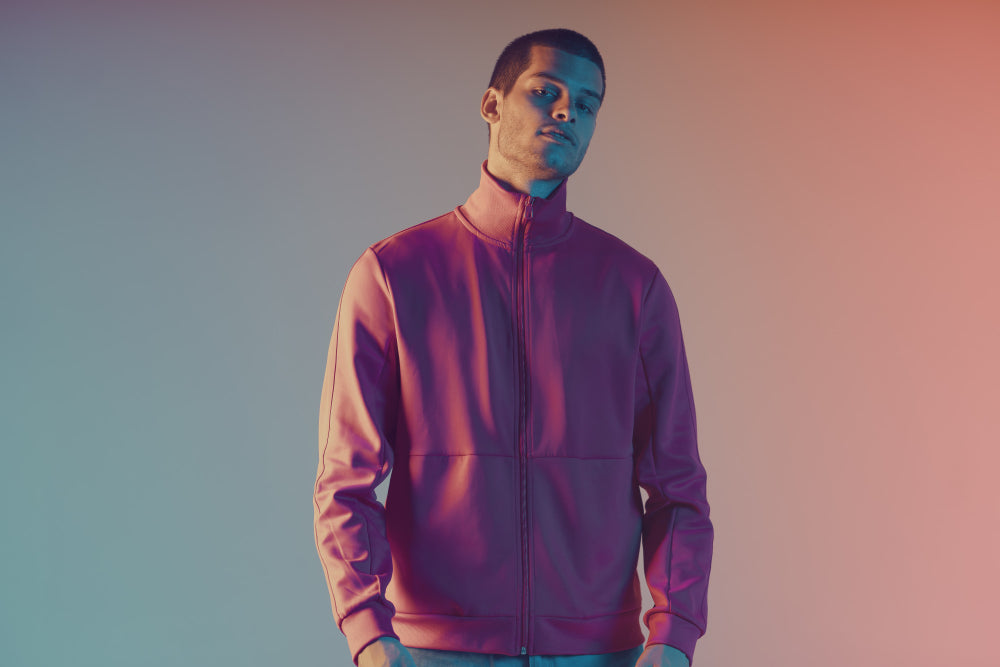
A nylon bomber jacket is a lightweight outerwear jacket built on the MA-1 flight jacket silhouette, the bomber design the US Air Force introduced in the early 1950s to replace the heavier leather A-2. Nylon bombers are packable, water-resistant, and affordable.
They are the right choice for casual layering and unpredictable weather. They are not the right choice if you want a jacket that improves with five years of wear.
- The nylon bomber jacket descends directly from the MA-1 flight jacket, first issued to US Air Force pilots in 1950, making the design over 70 years old.
- Nylon is lightweight, water-resistant, and packable, the right material for a casual, transitional-season jacket.
- Nylon does not improve with wear, it degrades gradually. Real leather does the opposite.
- Fur, wool, suede, and leather bombers each serve different purposes, the right choice depends on how often you'll wear it and in what conditions.
- For buyers who want a bomber jacket that lasts a decade rather than a season, genuine leather is the better investment.

The MA-1: Where Every Nylon Bomber Jacket Comes From
The story of the nylon bomber jacket starts with a practical problem: jet aircraft.
During World War II, US pilots wore leather flight jackets, the A-2 and A-1 were the dominant designs. According to Alpha Industries, leather was the standard because it provided warmth and abrasion resistance in open or poorly insulated cockpits.
Then jet technology changed everything. Jets flew faster, higher, and in more streamlined cockpits, cockpits where a bulky leather jacket was impractical.

The military needed something lighter.
The answer was the B-15, a cotton and later nylon jacket introduced in the 1940s, and then the MA-1, which followed in 1950. After 1945, nylon became the material of choice for bomber jackets because of its ease of care, water resistance, and resistance to mildew, insects, and perspiration.
The MA-1, introduced by Dobbs Industries for the US Air Force, refined the design into what we now recognize as the standard nylon bomber silhouette: ribbed collar, cuffs, and hem; front zip; clean, streamlined body.
The MA-1's defining features are rooted in battle-ready functionality. The overall design is sleek and avoids snarling up important equipment in the cockpit like the oxygen mask and headset.
A nylon shell and synthetic Holofill quilting are lightweight but comfortable in sub-zero temperatures.
The MA-1 stayed in US military service until the 1980s. By then it had already crossed into civilian life; first through military surplus stores in Europe in the late 1950s, then through subculture movements in the 1960s and 70s (skinheads, mods, punk).
And eventually into mainstream fashion in the 1980s and 90s when the nylon bomber jacket became one of the defining silhouettes of that era's street style.
What Nylon Bomber Jackets Are Good For
Nylon bomber jackets earn their place in a wardrobe through a specific set of properties. Understanding these properties is the fastest way to decide whether a nylon bomber is the right call for how you actually dress.
Lightweight and Packable
Nylon is among the lightest outerwear shell materials available. A quality nylon bomber can be packed into its own pocket or compressed into a bag without damage, something leather cannot do and wool does poorly. For travellers, commuters, or anyone who needs outerwear that disappears when not in use, this is a genuine advantage.
Water Resistance
Nylon's woven construction naturally repels light moisture better than smooth leather or suede. Most nylon bombers also receive a DWR (Durable Water Repellent) coating at the factory, which extends rain resistance for the early life of the jacket.
This isn't full waterproofing, sustained rain will eventually soak through, but it provides meaningfully better casual rain performance than lambskin or suede alternatives.
Low Maintenance
Nylon bomber jackets can typically be machine washed, a practical advantage over leather, which requires professional cleaning, or suede, which requires specific care to avoid water damage.
For everyday casual wear, a jacket you can throw in the wash is a real benefit.
Lower Entry Price
Nylon is significantly cheaper to produce than genuine leather, which means quality nylon bombers are available at price points where real leather alternatives are not.
The trade-off, as covered below, is longevity. But for a buyer who wants the bomber silhouette at a lower upfront cost, nylon delivers the look.
Where Nylon Bomber Jackets Fall Short
Every honest guide to nylon bomber jackets has to cover this, because it's the information that most buying guides skip past.
Nylon Doesn't Improve With Age
This is the fundamental difference between nylon and genuine leather. A real leather bomber jacket, lambskin, suede, or cowhide, develops character with wear.
The hide softens and conforms to the wearer, develops a patina at high-contact areas, and typically looks better at year five than it did when purchased. Nylon does not do this.
The nylon shell develops surface wear, fraying at stress points, and lining pilling over time. For a lightweight, packable bomber for occasional wear, nylon is the appropriate choice.
For a bomber jacket that is worn regularly and expected to last, full-grain leather is the only material that improves over time rather than degrading.
Durability Ceiling
A quality nylon bomber jacket, the kind made from the same high-spec nylon as the original MA-1, will last two to five years of regular daily wear before the seams, zip, or shell begin to show significant deterioration.
This isn't a failure of the material; it's a realistic ceiling for how nylon performs under sustained use. Genuine leather bombers at similar or higher price points routinely last a decade or more.
Limited Weather Range
Nylon bombers sit in a specific temperature window. They are ideal for transitional seasons, spring and autumn, where light layering is the requirement.
In genuine cold, an uninsulated nylon bomber provides insufficient warmth, and in summer heat the polyester lining can feel clammy.
The MA-1 was designed as an "intermediate weight flight jacket" for a narrow altitude window, that functional limitation carries over to civilian use.
Nylon vs Leather, Wool, Suede, and Fur Bomber Jackets, The Full Comparison
The bomber jacket silhouette exists across at least six materials. Each serves a different purpose. Here's how they compare honestly.
| Material | Warmth | Durability | Water Resistance | Care | Best For |
|---|---|---|---|---|---|
| Nylon | ⭐⭐ (uninsulated) | ⭐⭐⭐ | ⭐⭐⭐⭐ | Machine wash | Casual, travel, transitional seasons |
| Lambskin Leather | ⭐⭐⭐ | ⭐⭐⭐⭐⭐ | ⭐⭐ | Professional clean | Daily wear, longevity, character development |
| Suede Leather | ⭐⭐⭐ | ⭐⭐⭐⭐ | ⭐ | Suede brush + protector | Smart-casual, dry conditions, refined look |
| Wool | ⭐⭐⭐⭐ | ⭐⭐⭐ | ⭐⭐ | Dry clean | Autumn/winter, smart-casual, varsity aesthetic |
| Fur / Shearling | ⭐⭐⭐⭐⭐ | ⭐⭐⭐⭐ | ⭐⭐ | Professional clean | Winter, statement outerwear, real warmth |
The 1980s Bomber Jacket - How Nylon Went From Military to Mainstream
The nylon bomber jacket's transition from military surplus to fashion staple happened across several decades, but the 1980s was when it cemented its place in mainstream culture.

The mod and skinhead subcultures of Britain adopted the surplus MA-1 in the 1960s, originally in olive green and sage, the same colourways used by the military.
By the late 1970s, the jacket had spread across punk and post-punk scenes. Then the 1980s arrived, and with it the era that turned the nylon bomber into a global fashion item. Fashion designers and brands began incorporating the iconic design into their collections, offering various colour options and materials.
The jacket's association with military history and its timeless aesthetic contributed to its enduring popularity.
The 80s bomber jacket in nylon is having a second cultural moment right now, driven partly by fashion nostalgia, partly by the rise of military-surplus aesthetics in streetwear, and partly by the ongoing MA-1 revival spearheaded by brands like Alpha Industries.
If you are specifically looking for that 80s bomber jacket feel, olive green or black nylon MA-1 silhouettes are the most authentic way to get it.
For buyers drawn to the same heritage silhouette but wanting a material that compounds over time, vintage brown and oversized leather bombers carry the same flight jacket DNA in genuine leather, and look considerably more distinctive after a few years of wear than any nylon alternative.
Patch Bomber Jackets: How Customisation Became Its Own Category
Patch bomber jackets deserve their own mention because of the patched bomber look. It patches on the back, sleeves, and chest. Also, has its own substantial search audience and its own cultural lineage separate from plain bomber jackets.
The tradition of patching flight jackets started with actual military crews in WWII and Korea, who sewed squadron patches, country flags, and personal insignia onto their A-2 and MA-1 jackets.
By the 1970s and 80s, the patched denim jacket and patched bomber had become a staple of rock and metal culture. Today, patching a nylon or leather bomber jacket is a customisation practice that sits across vintage, streetwear, and subcultural fashion simultaneously.
Nylon is the more common base for heavily patched jackets because it is cheaper and the heat-press iron-on process works reliably on its surface.
A real leather bomber with patches sewn or riveted on carries considerably more visual weight, the combination of genuine hide and handmade patches results in something that reads genuinely individual rather than assembled.
Japanese Bomber Jackets and Souvenir Jackets; The Sukajan Connection
No guide to bomber jacket materials is complete without covering the sukajan. The Japanese souvenir jacket that developed in the post-WWII period when American servicemen stationed in Japan had jackets made locally to take home as souvenirs.
Japanese sukajan jackets use silk or satin rather than nylon, with elaborate embroidered designs on the back, dragons, tigers, landscapes, chrysanthemums.
The silhouette is the same MA-1 bomber shape, but the materials and the embroidery elevate it into a different category entirely.
The sukajan is the ancestor of the modern silk bomber jacket and has direct lineage to the premium Japanese reproduction bomber market, where brands like The Real McCoy's and Buzz Rickson produce museum-quality reproductions of original military designs.
For buyers interested in the Japanese bomber jacket tradition, silk and satin bombers occupy a specific niche. They are style-first, occasion-specific jackets, not daily wear pieces. Genuine leather bombers from the same heritage lineage (the A-2, the G-1) are the more practical interpretation of the same military DNA.
When Real Leather Is the Better Call
There is no single "best" bomber jacket material, the correct answer depends on how often you wear it, in what conditions, and for how long you intend to keep it.
Nylon is the right answer when: you need something lightweight and packable. You want water resistance without caring for leather, you are buying a casual piece you don't expect to own for more than a few years, or you are specifically chasing the MA-1 or 1980s bomber aesthetic.
Real leather, lambskin, suede, or cowhide, is the right answer. When you wear your jacket daily and expect it to last a decade, you want a jacket that develops character and fits better over time than on day one.
You care about the quality of the materials against your skin and body, or you want a bomber jacket that looks more distinctive the longer you own it rather than more degraded.
The Cuir men's leather bomber collection covers the full spectrum of real leather bomber construction. Suede brown in the Stratton style, shearling-lined Heritage Bombers for genuine winter warmth, oversized lambskin in the Marco series for the relaxed streetwear silhouette, and the Sky Command cowhide aviator range for the most historically accurate flight jacket construction in the lineup.
Every jacket is genuine leather, none are faux, bonded, or nylon. Women's leather bomber jackets are available across the same range of materials and silhouettes.
A nylon bomber is a good jacket. A real leather bomber, properly maintained, is the last bomber jacket you buy.
Frequently Asked Questions About Nylon Bomber Jackets
What is a nylon bomber jacket?
A nylon bomber jacket is a short outerwear jacket made from a synthetic nylon shell, the civilian evolution of the MA-1 flight jacket first issued to US Air Force and Navy pilots in the early 1950s.
It features the classic bomber silhouette: ribbed cuffs and hem, front zip closure, and a straight body that sits at the waist. Nylon bombers are lightweight, water-resistant, and packable, making them well-suited for transitional seasons and casual everyday wear.
Is a nylon bomber jacket warmer than a leather one?
Not inherently, warmth comes from the lining and insulation, not the shell material. A nylon bomber with a thick polyester or quilted fill will be warmer than an unlined lambskin bomber.
However, a well-constructed leather bomber with a plush polyester lining will outperform a lightweight uninsulated nylon jacket in cold conditions. Leather also blocks wind more effectively than most nylon shells at the same weight.
How long does a nylon bomber jacket last?
A quality nylon bomber jacket typically lasts two to five years of regular wear before the shell, lining, or hardware begins to fail.
High-quality nylon like that used in the original MA-1 can last longer with care, but the material does not improve with age the way leather does, it degrades gradually rather than developing character.
In contrast, a well-maintained genuine leather bomber jacket lasts a decade or more and typically looks better at year five than it did at purchase.
What is the difference between a nylon and leather bomber jacket?
Nylon bomber jackets are lighter, more packable, water-resistant, and generally less expensive. Leather bomber jackets are more durable, better at blocking wind and abrasion, and improve in appearance and fit over years of wear.
Nylon is the better choice for casual lightweight wear and unpredictable weather. Leather is the better choice for daily wear where longevity, slide protection, and a jacket that builds character over time are the priority.
Can you wear a nylon bomber jacket in the rain?
Most nylon bomber jackets have a degree of water resistance, the woven nylon shell repels light rain and moisture better than leather or suede.
They are not fully waterproof, and sustained rain will eventually soak through most uncoated nylon jackets. If you need reliable rain protection, look for a jacket with a DWR (Durable Water Repellent) coating or a dedicated waterproof membrane.
Are nylon bomber jackets still in style?
Yes, the nylon bomber jacket has remained in continuous production since the 1950s and is consistently present in streetwear, fashion, and casualwear.
The MA-1 silhouette in olive green, black, and navy is particularly strong in the current fashion cycle, worn oversized as a streetwear staple or fitted for a classic flight jacket look. It is a foundational piece of menswear that is unlikely to go out of style.
What are fur bomber jackets?
Fur bomber jackets are bomber-silhouette jackets with a real or faux fur exterior, fur-lined interior, or fur trim on the collar and cuffs.
The B-3 shearling bomber jacket, a WWII-era sheepskin design worn by high-altitude bomber crews, is the most historically significant fur bomber.
Modern fur bombers typically combine faux shearling linings inside a leather or textile exterior, delivering genuine winter warmth in the classic bomber silhouette.
What is the difference between nylon, leather, wool, and suede bomber jackets?
Nylon is lightweight, packable, water-resistant, and best for casual transitional wear. Leather is durable, wind-resistant, improves with wear, and best for daily wear and longevity.
Wool is warm, structured, and suited to cooler temperatures and smart-casual settings. Suede is soft, refined, matte-finished, and best for style-first wear in dry conditions. Each material suits a different wearer and a different use case.



Leave a comment
This site is protected by hCaptcha and the hCaptcha Privacy Policy and Terms of Service apply.